

I Got My Hands On The Honor Magic 9 Pro Max Before Launch — Here's Why It's A Big Deal
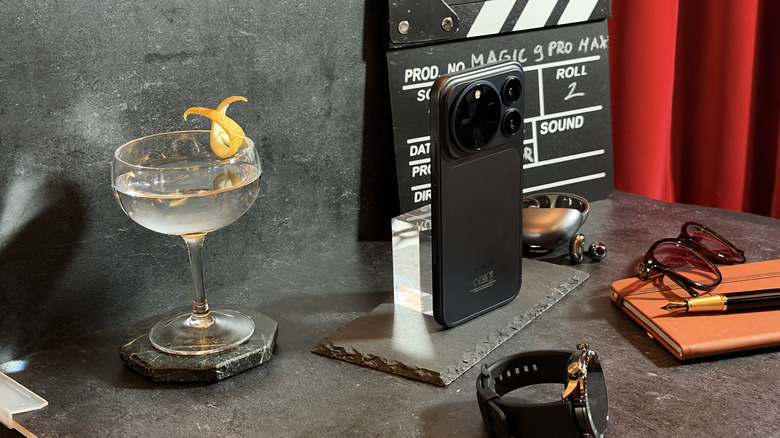
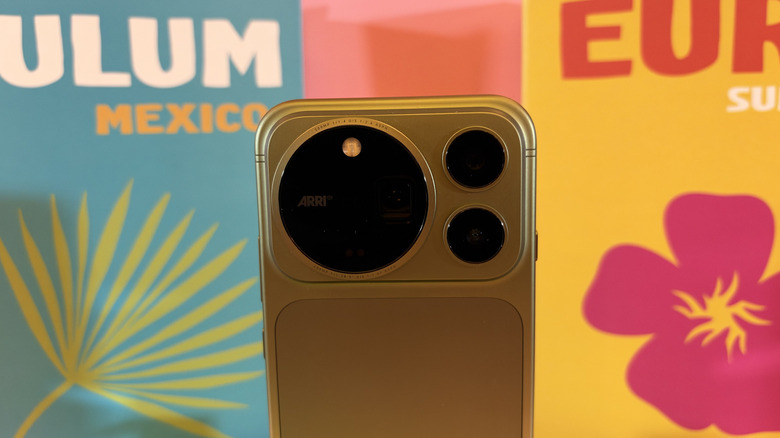
The Honor Magic 9 Pro Max is the brand's latest flagship smartphone, and it arrives globally in January 2027. The headline feature on this phone is a camera system co-engineered with Arri — the German maker of the Alexa Cinema camera. On the back, you'll find two 200 MP cameras next to a 50 MP ultrawide lens. There's a dedicated H1 image processing chip, and the camera app can record in Arri's LogC3 format with Arri color looks that you can preview live in the viewfinder. Honor has been building toward this partnership since I tested the Robot Phone earlier in 2026, which was the first of the brand's devices to carry the Arri name.
I've spent a few hours with the Honor Magic 9 Pro Max in London, shooting photos and videos around an underground speakeasy with a few different lighting scenarios. The partnership with Arri seems to be worthwhile, as this smartphone camera produces some of the best color accuracy I've seen from any Honor device, and by a good margin — though the 200 MP resolution delivered less in the real world than I had expected from the spec sheet. After using the device for an afternoon, here are my first impressions.
Arri color science is a winner
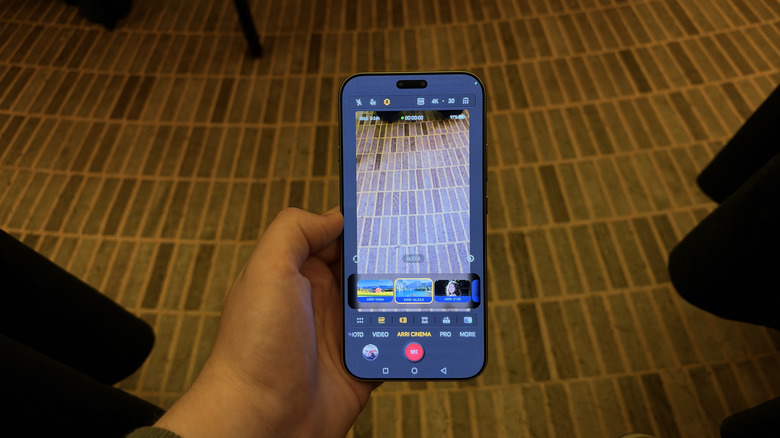
The Arri Cinema mode in the camera app lets you record in Arri Log C3 at 10-bit color depth with up to 4K resolution at 60 fps. Arri describes its logarithmic encoding as a way of recording an image so that each stop of exposure increases by the same amount, which keeps more highlight, shadow, and color information intact for color grading and editing after capturing. You can pick from 14 different Arri looks in the viewfinder, with another 87 color gradings available after filming.
I recorded roughly the same footage on the Honor Magic 9 Pro Max and the Magic 9 Lite Plus, moving between a dim corner of the bar, a cluster of table lamps, and a more brightly lit stage area. As you might expect, the Pro Max produced better video in every situation, and that gap only widened when I switched the Arri mode on. You can particularly notice the difference in recording modes when you look at brightly saturated colors, such as a red tablecloth and backdrop that the phone was in front of. Skin tones also held together better on the Magic 9 Pro Max, whereas footage from the Lite+ had a slightly greenish tint to it.
Swiping between the Arri looks takes a second or two to get used to, but it's an easy feature to use once you're acclimated. Despite having to be loaded up, previews of each of these looks would appear in the viewfinder almost instantly, with no noticeable lag that would stop you from capturing the moment. In the time I spent with the Magic 9 Pro Max, I used the default Arri look, which means we'll have to take a deeper look at the other options in our full review.
The 200 MP cameras oversell sharpness
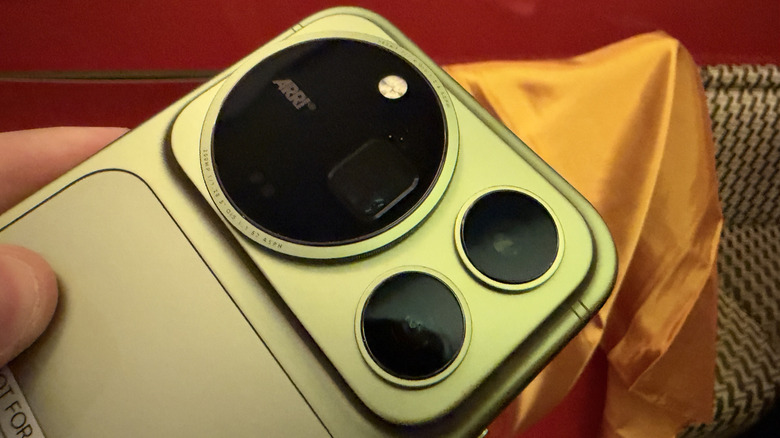
Honor's 200 MP main camera uses a 1/1.28-inch sensor with an f/1.57 aperture, and this is paired with a 200 MP telephoto camera backed by a 1/1.4-inch sensor and f/2.6 aperture. Both are rated at CIPA 8.0 stabilization, with 3-degree gimbal correction on the main sensor. Those lenses sit beside a 50 MP ultrawide lens at f/2.0. All of these are powered by Honor's own 6 nm H1 imaging chip, which handles image processing, noise reduction, and some fancy new microphone modes.
While those numbers sound great on paper, my footage didn't exactly line up with what I expected from the spec sheet. Videos and stills came back softer than the 200-megapixel figure suggests, and the apparent resolution is closer to a very good midrange phone than a 2026 flagship device. Compared to footage from the iPhone Duo in my pocket, the Magic 9 Pro Max certainly fell behind in clarity, and you'd find a similar story comparing it to any of Samsung or Google's current flagships as well. The iPhone 18 Pro remains the best camera smartphone in 2026 for me, and if fine detail is particularly important to you, the Pixel 11 Pro XL is a great pick also.
Honor did clarify to me that a final software update will be making its way to the Magic 9 Pro Max before it ships to customers, which could improve things in this department. However, I can't shake the feeling that the megapixel number is there for marketing more than it is to accurately represent the experience you'll get from this smartphone camera. The Magic 9 Pro Max's camera strengths remain in its color accuracy and grading options.
All those camera features require a lot of battery
The Honor Magic 9 Pro Max has a 7,030 mAh battery inside, with 100 W wired and 80 W wireless charging. In roughly 30 minutes of using the camera app, the device lost just under 10% of its battery. In that time, I was recording, taking photos, and experimenting with the Arri looks in the viewfinder, but that's a big chunk of battery life to disappear in such a short space of time. While the fast charging speeds mean you'll be able to juice this device back up rather quickly, I'd carry a power bank around with you if you plan on doing lots of filming.
The device also warmed up significantly within just a few minutes of video recording, enough that I was worried the SoC would start to throttle. I don't think it did in the time I was using it, though the temperature continued to climb steadily rather than dropping back down. Honor sells its small rig video kit for the phone that comes with a cooling accessory in the box, which tells you the brand expects long filming sessions to heat the phone up significantly. Again, some of this might come down to pre-release software, but the battery and thermals are definitely something we'll be paying attention to in our full review.
Playing catch-up
You'll also find a 55-megapixel front camera on the Honor Magic 9 Pro Max; it uses a square sensor, so you can crop the photos you're taking to be either vertical or horizontal without having to rotate the phone in your hand. Apple was the first brand to ship this with the iPhone 17's Center Stage selfie snapper, and it has turned into quite a popular feature for regular social media users. I noted that this is a feature many would love when Honor first announced the Magic 9 series in China, and using the phone only makes me more confident in that call. Being able to take a group selfie in landscape while holding the phone upright just makes life a little bit easier. However, I can't help but notice that Honor is once again following Apple's lead here rather than innovating on its own.
The directional microphones impressed me more. The Magic 9 Pro Max has a four-microphone array — one directional and three omnidirectional — to lock onto a single sound source that's up to 65 feet away. It can also cut off noise outside a 60-degree cone from the handset. While filming, you can pick from four presets or use a custom mode to handle how the mics pick up audio. For example, I recorded part of a live music set with the Magic 9 Pro Max and was able to single out the vocalist in a room full of hushed conversation. Again, it's quite similar to what Apple gives you on the newest iPhones, but I think Honor's implementation of the feature gives you slightly more control and is just as effective.
Design, accessories, and when you can buy the Honor Magic 9 Pro Max
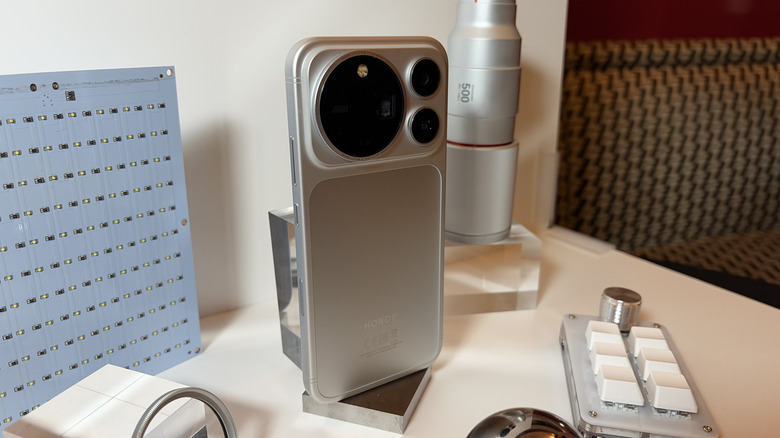
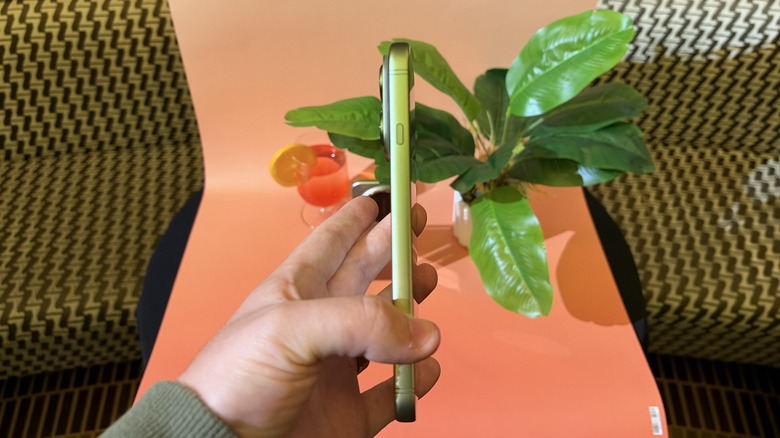
I got to use the Honor Magic 9 Pro Max in all three colors, but I spent most of my time using the Moss Green version. It's a good color, though it is considerably less green than Honor's imagery suggests. The metal body feels premium and is very similar to any other large slab phone in 2026. It does have a separate panel on the back to support wireless charging, which is a similar idea to what we saw on the iPhone 17 Pro and 18 Pro, and Honor's color matching of this panel lands somewhere between the two.
The device runs on the Snapdragon 8 Elite Extreme Gen 6, which I tested at Snapdragon Summit and found can hold its own against the iPhone 18 Pro. That puts the Magic 9 Pro Max alongside some of the other most powerful smartphones released in 2026. Honor also offers a few accessories for the handset. There's a 500 mm teleconverter adapter that you can bolt onto the phone for increased focal length, though this isn't new, as Oppo has been selling teleconverters for its Find X series for a while now. The small rig expansion cage I previously mentioned is something I haven't seen before.
The Honor Magic 9 Pro Max goes on sale globally on January 14, 2027, through Honor's online store, third-party retailers, and supported carriers. Honor hasn't announced pricing yet, and it's worth remembering that it doesn't directly sell its phones in the U.S., so if you want one, you'll have to import it.