

Hard Drive Prices Have More Than Doubled; These Helium Plants In The Middle East Are Part Of The Reason
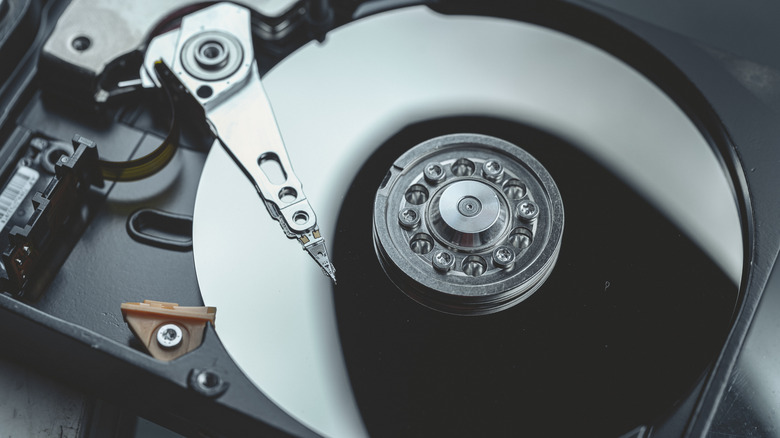
Since 2013, helium has been encased in hard disk drives (HDDs) to provide an environment inside the HDD that allows for smoother, more efficient operation. Using helium in HDDs has become a method for storage manufacturers to cram even more space onto the drives, as the low-density environment and reduced air turbulence when spinning in helium allow for thinner platters. The more platters in an HDD, the more storage can become available.
However, with the rise of artificial intelligence, new-style AI data centers have hoovered up a vast majority of hardware. RAM, processors, solid-state drives (SSDs), and now HDDs have been bought en masse, causing prices to rise for consumers. Now, with the U.S. in a war with Iran, and Iran determined to undermine U.S. power, helium HDDs are being impacted even more.
Iran has been striking locations in the Middle East, including plants in Qatar. Part of this strategy is to strike allies of the U.S. in an attempt to push the American occupation out of the region. Qatar also provides one-third of the world's helium supply, and its Ras Laffan Industrial City was struck by Iranian missiles in March 2026. As such, the hoarded supplies are now potentially dwindling, and so are HDDs.
It's not just the U.S. and Iran — Russia and Ukraine have caused helium issues

Estimates say that about one-third of global helium used to pass through the Strait of Hormuz. With the U.S. blundering its way into a war with Iran, the once freely accessible strait is now under strict controls. Some alleviation has come with the discovery of a massive deposit in the U.S. in 2024, but no plant has been constructed to take advantage of this just yet.
Other locations that supplied helium also included Ukraine. Prior to the Russian invasion, noble gases like helium were produced through other manufacturing processes. Russia captured and destroyed the plant in 2022, and in 2026, also put export controls on the gas. Concerns about supplies in caverns already uncovered could add more strain, and the gas is also used in the wider chip production process, not just hard drives. Critical chips require it within the ultraviolet lithography process, draining more resources.
Not all HDDs use helium, but high-end drives will. These drives are often aimed at the high-end consumer or enterprise. Think data hoarder who has a home server for backups, or one of the many, many data centers that might be popping up in your local area.