

5 Workout Headphones To Buy Instead Of Galaxy Buds
We may receive a commission on purchases made from links.
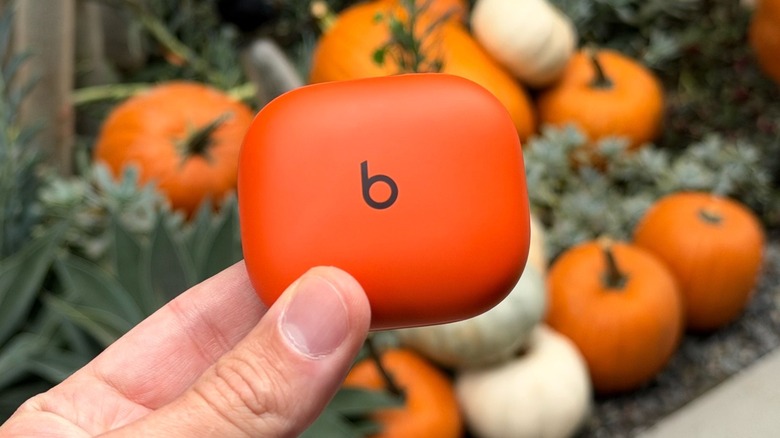
There are several compelling reasons to get a pair of Galaxy Buds to use as workout headphones, as they feature sweat and water resistance with an IP57 rating, an ergonomic and secure fit that works well with most ears, and great active noise cancellation. Besides that, Samsung also offers a wide range of Galaxy Buds models, like the Galaxy Buds On, which are earbuds that don't actually enter your ears. Still, if you don't have a Samsung or Android phone, you don't like the fit of Galaxy Buds, or you simply dislike their sound profile, there are a number of other workout headphones that can help get the job done — whether that's running, strength training, or just a brisk walk. Among the top selections, there's the Beats Powerbeats Pro 2, Apple AirPods 5, and Shokz OpenRun Pro 2.
BGR selected the products you'll see below based on previous experience with each of the earbud models — but we also took into account what other experts and real-life customers had to say about these headphones. The writer of this article has used each of these products personally, having tested them during workouts and even going so far as to review most of the models. Where appropriate, we will include some of this firsthand experience to help give you a unique perspective on what it's like running long distances with these headphones, hitting the gym, and doing other activities.
That said, BGR is not suggesting that potential customers shouldn't get Samsung Galaxy Buds. Rather, we're highlighting alternatives that can compete with or even surpass Galaxy Buds models in some areas to help you find your next go-to headphones for workouts.
Powerbeats Pro 2
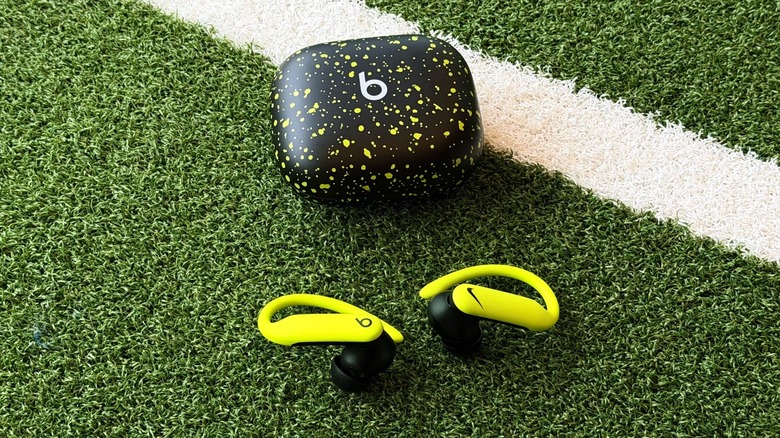
Available for almost two years, the Powerbeats Pro 2 still sound like modern earbuds. Most importantly, for those who can't enjoy Galaxy Buds Pro-shaped earbuds, Beats' Powerbeats Pro 2 can be one of the most interesting options thanks to their wingtip design, which has been improved for extra comfort and a more secure grip. While we experienced some connectivity issues between the earbuds and an iPhone in our first month reviewing the Powerbeats Pro 2, this hasn't been a problem since then. Available in eye-catching colors, these earbuds feature ear hooks that are 50% smaller than the first generation and include five different ear tip sizes to ensure a comfortable fit.
Among the highlights of this product, the Powerbeats Pro 2 feature a heart rate sensor, physical volume buttons, an action button for controlling the music, and ANC and transparency modes to suit your workout style. The earbuds feature an IPX4 rating, meaning you don't have to worry about light rain or sweat. Sound wise, the Powerbeats Pro 2 use Apple's H2 chip, offering similar levels of quality to the AirPods Pro 2, but with punchier bass, which we enjoyed during testing. Beats says that these earbuds have a new amplifier, next-gen acoustic mesh, and axial-aligned transducers that help properly deliver sounds to users' ear canals.
Beats' Powerbeats Pro 2 also feature impressive battery life, with up to 10 hours on a single charge — a figure that balloons up to 45 hours when you factor in the charging case. The Powerbeats Pro 2 are available on Amazon for $249 in Electric Orange, Hyper Purple, Jet Black, and Quick Sand.
AirPods Pro 3
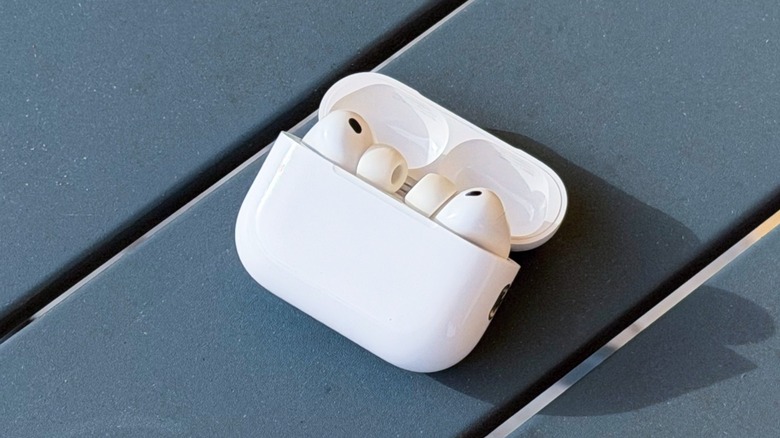
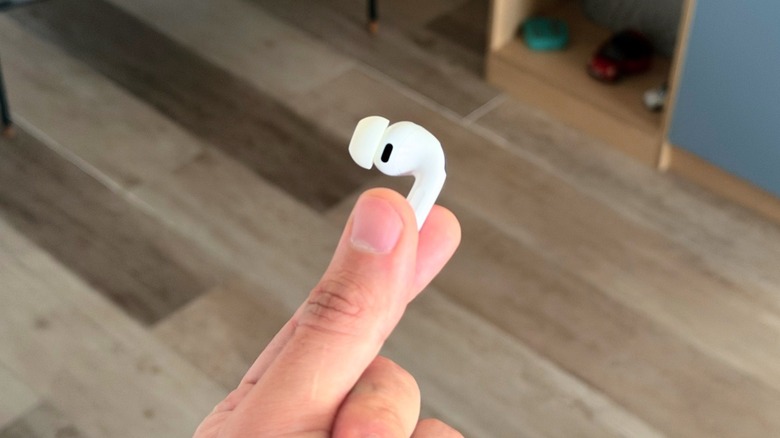
The AirPods Pro 3 got off to a controversial start due to a new ear tip design and the lack of an updated audio processor, as they use the same H2 chip available in the AirPods Pro 2. Still, the AirPods Pro 3 offer a few extra perks that can make them more enticing than their predecessor. For example, once your ears get used to the new ear tips, they are better able to seal outside noise, which helped improve ANC performance when compared to the AirPods Pro 2 in our testing. Apple says an internal redesign has helped improve sound quality, as the company focused on providing heavier bass while improving the high-end response. The spatial audio algorithm has also been improved, as during testing, we could notice more nuance to songs. The AirPods Pro 3 also support manual EQ, meaning you can create your own sound profile with these earbuds.
The AirPods Pro 3 feature a heart rate monitor. This custom sensor pulses infrared light to read your heart rate while you're working out, and intelligently measures your heartbeats whenever you start a practice through the Apple Watch, the Apple Fitness app, or a third-party app. The earbuds and case feature an IP57 rating, meaning that you don't need to worry about heavy rain or even dust getting into them, and all three components offer Find My capabilities with Precision Find.
Perhaps the biggest downside to the AirPods Pro 3 is that most of the above software features will not work for many users — Samsung Galaxy owners included — as the AirPods Pro 3 essentially function as generic Bluetooth earbuds when paired with an Android phone. If that's not a dealbreaker for you, the AirPods Pro 3 are available from retailers like Amazon for $249.
Shokz OpenRun Pro 2

For a non-Apple option, the Shokz OpenRun Pro 2 are a unique set of workout headphones. Embracing an open-ear design that leaves your ear canals completely unobstructed, they actually use a hybrid setup called DualPitch, which combines bone conduction for mid and high frequencies with a tiny air-conduction speaker dedicated to bass. The end result is that you get rich sound and deep bass without a weird buzzing sensation against your temples.
The most important thing about these earbuds is how they make your training experience effortlessly safe and comfortable. Since they are open-ear models, you can listen to music or podcasts while still being fully aware of traffic, cyclists, or anyone calling out to you on trails. Featuring a lightweight nickel-titanium frame coated in soft silicone that wraps around your head, they've earned an IP55 rating, meaning you don't need to worry about sweat or dust ruining them. Besides that, Shokz recently swapped out its annoying proprietary charger for a standard, waterproof USB-C port, which makes charging this device very convenient.
With up to 12 hours of battery life and fast-charging capabilities that give you a couple of extra hours in a quick five-minute charge, you'll rarely have to worry about these earbuds dying during a workout. The Shokz OpenRun Pro 2 are available on Amazon for $180, and they're an excellent choice for anyone wanting to avoid sweaty in-ear tips who's also looking for safety and long-haul comfort.
Amazfit Powerbuds Pro

Another great option can be the AmazFit Powerbuds Pro. Usually available for around $100 (though out of stock at the time of writing), these are the cheapest earbuds on this list. Even so, they also offer a built-in heart rate sensor, which some publications have said can be slightly off compared to dedicated chest-strap readers. This sensor should nonetheless be helpful — particularly for anyone who doesn't use a smartwatch — and it helps power automatic workout recognition. The Powerbuds Pro even feature a "Motion Beat" mode that boosts the bass as soon as you start exercising to keep your energy up, and they offer a unique posture reminder that alerts you if you're slouching while sitting.
Alongside the health tracking and posture alerts, the Amazfit Powerbuds Pro offer multiple modes of active noise cancellation, including a sports profile designed to tune out gym noise while keeping environmental cues audible and an ambient mode for running outside safely. These earbuds feature plenty of dynamic bass to push you through tough reps, and they can hold up to sweat thanks to an IP55 rating. On a single charge, these earbuds can last for around 6 hours of continuous playback with ANC on, or up to 9 hours without it. In total, users can enjoy up to 30 hours with the charging case. Ultimately, the Powerbuds Pro might be the most solid option for anyone looking for a great Galaxy Buds alternative at a cheaper price point.
Beats 360
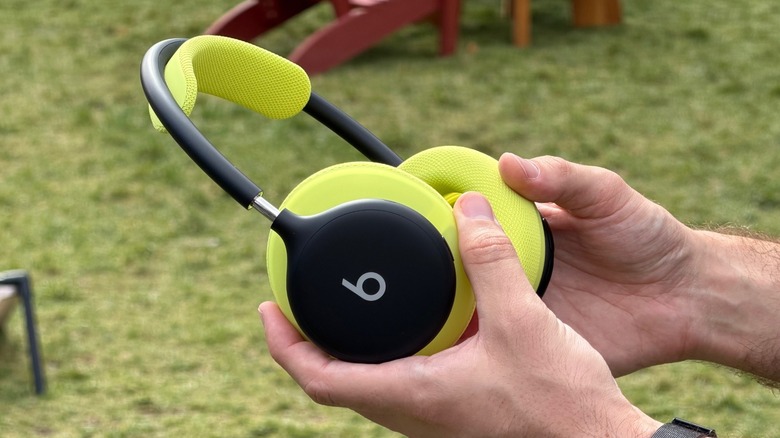
Last but not least, the Beats 360 are the only over-ear headphones to make our list. After a brief time testing these, they quickly became our go-to headphones — especially for light outdoor runs in the cold or gym workout sessions. Beats focuses on versatility for these headphones, and they come with replaceable ear cups — which originally cost $9.99, but have since seen a price increase to $49.99 — meaning that you can easily customize the look. With four different frames and eight ear cup colors out of the gate, Beats says there are up to 256 possible combinations.
During testing, what we liked most about these headphones when it comes to working out is that the ear cushions are breathable, meaning they can handle sweat pretty well, and they can even be washed afterward. These headphones also offer great grip, with a design that ensures they stay in place without pressing too firmly on the head. Sound wise, they have a more clear profile than the Beats Studio Pro, punchier bass, and built-in spatial audio support. Still, unlike the Beats Studio Pro, these headphones are focused on wireless performance, as they support neither a wired experience nor lossless capabilities.
The Beats 360 have a regular price of $349.99 on Amazon. The headphones offer up to 32 hours of battery life with ANC on, which is great for anyone going through long workout sessions. They come with physical buttons for volume and media playback controls, and their lightweight design helps make them ideal for working out. For more details, see our full review of the Beats 360.
How we chose these headphones
To come up with this list, BGR went through some of the earbuds and headphones we had reviewed through the year, in addition to other fan-favorite headphones made for those who like to work out while listening to their favorite songs or podcasts. Since priorities and personal taste vary, we wanted to highlight different designs and shapes that can serve as alternatives to Samsung Galaxy Buds models for Android and iOS users alike. In addition to these considerations, we selected gadgets in different price ranges so that readers can decide whether they want to go with a budget-friendly option or a more premium over-ear model.
A majority of the gadgets highlighted in this list have a heart rate sensor, meaning they can replace the need for a smartwatch during workouts and help you track the most common workout activities. Most of these models have also been reviewed by BGR, while others have been praised by experts in the media and real-life customers who tested and bought these products.
Nonetheless, we recommend that shoppers take their research beyond this list, as there are other options from the brands above and many other companies that might have a specific functionality that you would benefit from. Still, the models listed above feature great battery life, resistance against sweat, punchier bass, and ergonomic designs that will most likely fit your ears and your workout routine.