

5 Reasons To Buy 4K Blu-Rays Instead Of Another Streaming Subscription
From on-demand platforms like Netflix and Prime Video to platforms with live TV options like Sling TV and YouTube TV, streaming services have risen to become the dominant means of viewing movies, TV shows, and other content. The convenience of streaming services has played a large role in their popularity, but it has also given them significant leverage over customers. Platforms have raised prices significantly over the years and have introduced ads to introductory and even mid-level subscription tiers. While there's still plenty of reason to maintain access to a streaming service, the model does have its drawbacks, and it's worth exploring other ways to watch.
A lot of consumers are ditching streaming for physical media, with 4K Blu-ray being one of the most accessible and popular physical formats available. The convenience of streaming media not only tends to overshadow its pricing, but also its technical limitations. The Blu-ray format can offer superior alternatives to each. If you're looking to expand your content library by way of adding a secondary streaming service to your monthly costs, or if you're currently without a streaming service and looking hard at diving into one, you may first want to take a look at some reasons to start buying 4K Blu-rays instead.
Better audio and visuals

Because streaming services are able to stream in 4K resolution, a lot of subscribers feel they're watching in the highest quality possible. But when it comes to image quality, resolution isn't the end-all measurement. In order to stream across internet bandwidths, compressed bitrates are necessary. Most mainstream services compress a video file down to as little as 8 Mbps, which only contains a fraction of the image quality an uncompressed 4K master file possesses. Audio goes through the same process, with the mix often compressed to around 768 kbps.
Better audio and visuals are one of the reasons every cinephile should own a 4K Blu-ray player. Building a library of 4K Blu-rays in place of a streaming subscription comes with bitrates far superior to what online delivery is capable of. 4K Blu-ray discs typically range between bitrates of 70 Mbps and 100 Mbps, with Blu-ray's capacity maxing out at 128 Mbps. Audio bitrates are also better, especially when paired with various lossless technologies.
The image and audio qualities of a Blu-ray disc also won't ever be limited by a poor internet connection. Because the setup is entirely local, there's no connection between the viewer and the source file that the information needs to be squeezed through. This also keeps one's internet service provider out of the equation and works around any throttling that can take place when streaming lots of movies each month.
Ownership

One of the biggest problems with streaming services is that movies and TV shows come and go. You can subscribe to a platform in the middle of a month and be faced with an entirely different catalogue just a couple of weeks later. In some cases, the movies that serve as a reason to subscribe can even disappear before you've had a chance to watch them. Another issue is that movies and shows are spread across numerous streaming services, leaving no central place to watch everything.
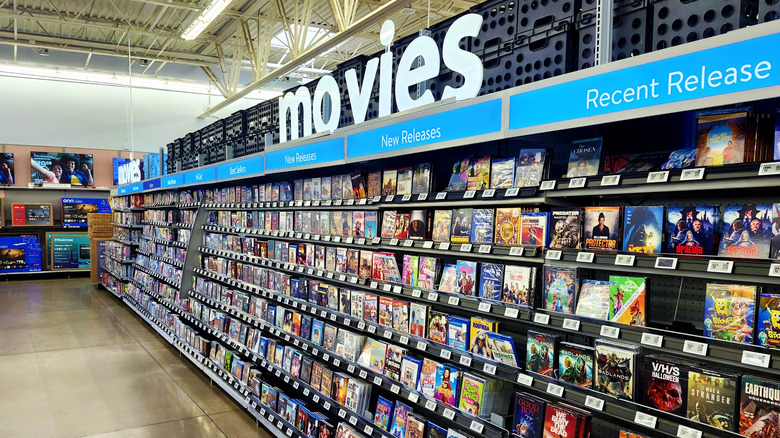
Purchasing a movie on Blu-ray comes with total ownership in every regard. The movies won't randomly disappear from your shelf each month, nor will they require researching platform libraries to ensure they're available in the first place. 4K Blu-rays are easily purchased through retailers like Amazon, Walmart, and Best Buy, with previously owned titles available at local shops and on eBay. In many cases, the cost of a movie on 4K Blu-ray is similar to a month of subscribing to a streaming service.
Building out a collection of Blu-rays does, of course, require a longer-term mentality. The upfront cost only gets you one movie instead of access to an entire streaming library, but with total ownership comes some other perks. You can watch the movie repeatedly any time you like, and if you ever reach a point when you consider yourself finished with it, you can easily sell it for some cash to purchase a new movie for your 4K Blu-ray library.
No advertisements

Interruption has become one of the worst things about streaming services. Switching to streaming used to mean paying to avoid commercials entirely, but most streaming services now have a paid tier that includes ads, with an even more expensive tier available for those who want to watch without them. Amazon, for example, requires a $4.99-per-month Prime Video Ultra add-on to watch without ads, and Netflix has a similar structure to its subscription tiers, with the removal of all ads requiring a $19.99 per month subscription.
But a 4K Blu-ray tucked away on a shelf is never subject to any advertisements whatsoever. There's no tier to upgrade to when purchasing a movie on Blu-ray, nor can there ever be any kind of algorithm inserting ads based on other Blu-ray movies you've watched. In the same way that owning a Blu-ray disc ensures you'll have access to that particular movie at all times, it also ensures the disc can never be infiltrated and remastered with ads edited in.
Purchasing movies on Blu-ray can also be favorable in other ways regarding ads. Buying movies digitally doesn't quarantine viewers from ads, as these purchases can come with commercials or cross-promotional materials edited into the master download file. Additionally, some smart TVs have been accused of collecting user data, and with ads becoming a potential business model within smart TV operating software, sticking to Blu-rays at least keeps some viewing habits private.
Fixed, one-time cost

Physical products tend to cost what they cost, with only some sales tax added at checkout. In a general sense, prices do increase over time, but 4K Blu-rays actually cost less than HD Blu-rays did when they first hit the market in the mid-2000s. New 4K Blu-ray releases range from $15 to $25, while the 2006 equivalent releases ranged from $30 to $40. Older movies can cost even less, and anyone willing to sort through the bargain bin at used media shops can find 4K Blu-rays for just a few dollars.
The prices of streaming services, on the other hand, have only gone up. Netflix increased all of its prices early in 2026, and with cost and profit analysis looked at in monthly measurements due to the nature of the subscription model, streaming platforms are constantly looking at ways to generate new revenue. This makes them far more subject to future price increases than the Blu-ray format, and with subscribers coming and going regularly, the pricing, tiers, and add-ons of streaming platforms have the potential to grow more confusing.
There are, of course, plenty of streaming services worth your hard-earned cash. It may even make sense to start purchasing some cheaper Blu-ray movies alongside a monthly subscription to your favorite service. This way, you can start the process of moving away from renting movies on a monthly basis and start moving toward one-time purchase prices and a fully owned movie library.
No internet connection needed
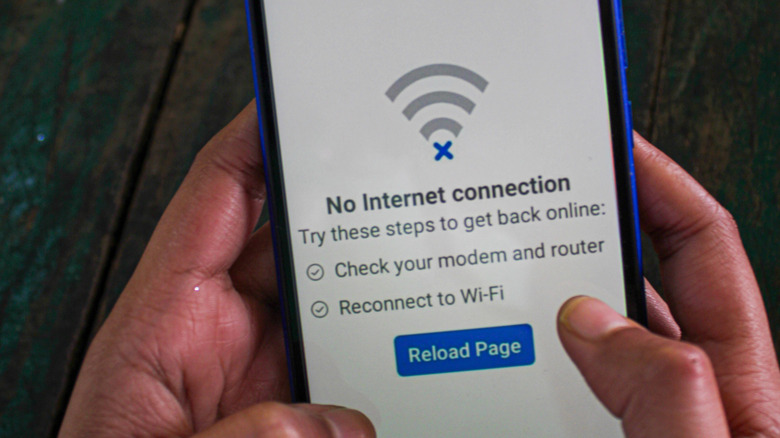
Streaming a movie only works as well as the connection behind it. In the event of an internet outage or heavy local usage during peak hours, the experience can be severely limited. In some areas, it can be difficult to find stable, consistent high-speed internet access as well. Some streaming services have recommended speeds in order to stream 4K without buffering or signal interruptions.
Netflix, for example, recommends a connection of at least 15 Mbps, as does Prime Video. A poor internet connection can leave a lot of streaming subscribers without access to 4K movies and TV shows at all. Physical media doesn't require any of that. Once a Blu-ray is in your possession, it's as playable as your hardware setup allows for. A Blu-ray player has no need for an internet connection in order to play movies out of a physical library, nor does a smart TV.
All that's needed to put a 4K Blu-ray through its paces is the disc itself, a Blu-ray player, a TV with the proper input connections, and the proper cable to connect the equipment. Leaning on 4K Blu-rays to watch your favorite content also eliminates the consumption of large amounts of monthly data, saving internet users with limited monthly bandwidth plenty of usage for other things.