

Why Do Wireless Headphones Have ANC, But Wired Ones Don't?
We may receive a commission on purchases made from links.
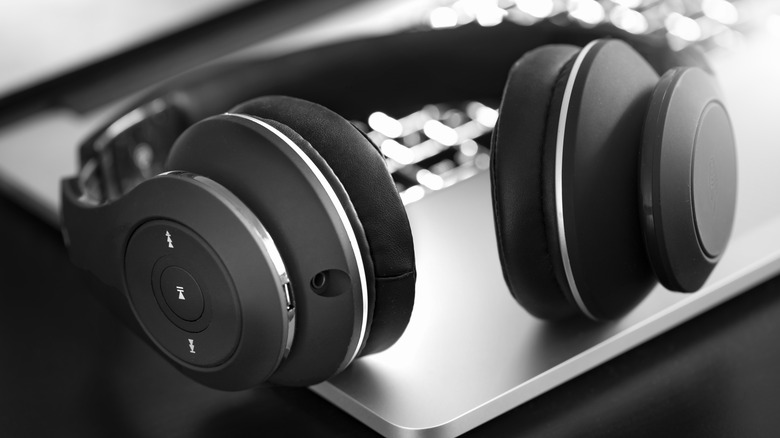
Wireless headphones have become the de facto standard for audio listeners around the world. You can't beat the freedom they bring. Generally speaking, audiophiles have always preferred wired headphones due to their reliability. However, though old-school wired cans are becoming cool again, most casual listeners are likely to find the switch back to the wire a bit jarring after years of getting used to wireless.
Lugging around a cable is annoying, but even worse, you must say goodbye to bells and whistles like Active Noise Cancellation (ANC). This nifty system takes advantage of microphones that pick up outside sounds and a dedicated chipset that cancels out any ambient noises. Why are there no wired ANC headphones, though? Surely, the technology has progressed enough.
Technology, yes. Wired headphones? For the most part, they're still operating as they did a century ago. Basically, the 3.5mm headphone jack carries a tiny bit of electrical current that moves the sound, meaning that regular headphones are just passive speakers. In contrast, modern Bluetooth headphones have an ANC chip powered by the battery. A set of Bluetooth cans also relies on its own internal codec to read data coming from your device, which results in a tiny bit of compression and audio degradation. Thus, with wired headphones, you don't get ANC or any interesting features like on-board EQ, but since the sound signal is carried directly from the device, there's no need to decode any data: you only get pure sound. A fine trade-off: no fun stuff, just superior audio quality.
What if you still want noise cancellation on wired headphones?
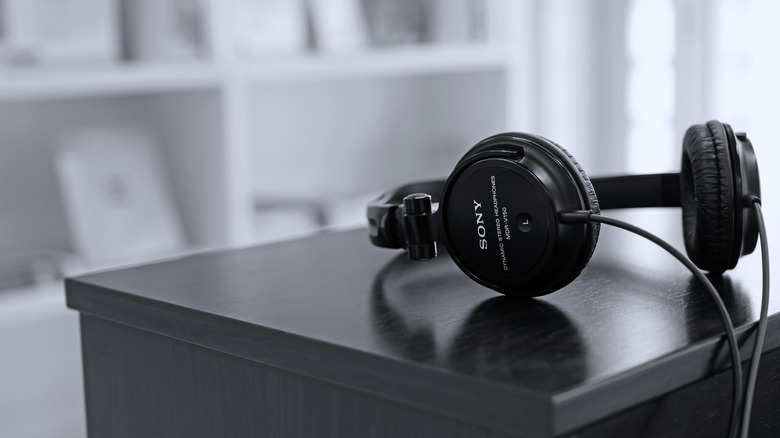
The best thing about ANC headphones is that you put them on, and the outside world and its barrage of sounds fade away in an instant. If you're bothered by noise and want to block it all out, a traditional set of "ears" can technically get you halfway there. How? Well, who said that noise cancellation needs to be active?
Passive noise cancellation eliminates sound from the environment by physically isolating your ears from the source. In other words, headphones that snugly fit your ears create a seal. They're also built using materials that absorb the sound better, and voila, you get minimal outside noise while still benefiting from the superior quality of wired headphones. While this method works well, you can't expect ANC-level isolation. These headphones generally block out high and mid frequencies, but you'll probably still hear low-end-heavy sounds like the rumble of the bus on your morning commute. After all, bass frequencies carry a great deal of energy and will reach your ears regardless.
Ultimately, it might seem disappointing until you consider the price and the reliability. Think of Bluetooth headphones as a modern car: comfortable, packed with features, easy to drive, but once they break down, you're in a world of trouble. By contrast, pick any of the best audiophile wired headphones, and it's like owning a '70s Dodge Charger: simple, reliable, and easy to repair. For instance, the Sony MDR7506 is just over $110 on Amazon, and in addition to sounding top-notch, if you take care of them well, you may never need to buy a new pair of headphones.