

The 5 Best 3D Printer Accessories For Beginners
We may receive a commission on purchases made from links.
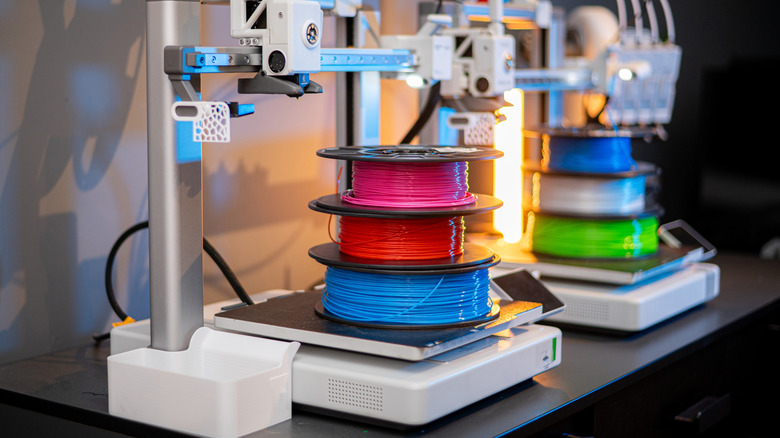
Buying a 3D printer is only the first step for anyone who wants to start exploring what this type of equipment can do. Even though many models already come with some basic tools to start the first processes, some extra 3D printer accessories make the routine even easier, especially for beginners.
This also does not mean you should build a bench full of extra tools. Knowing what matters before buying a 3D printer also helps you understand which items are useful for you. Some handy items cost little while helping with several common problems that may appear during the first weeks of use, such as measuring parts or cleaning up, making them worthy investments.
Although needs change according to the projects you want to make or the printer you bought, there are certain items that are often recommended for 3D printer owners. For that reason, we selected some accessories that can make your life easier, especially for beginners who have little experience in the hobby.
Digital calipers make precise measurements easier
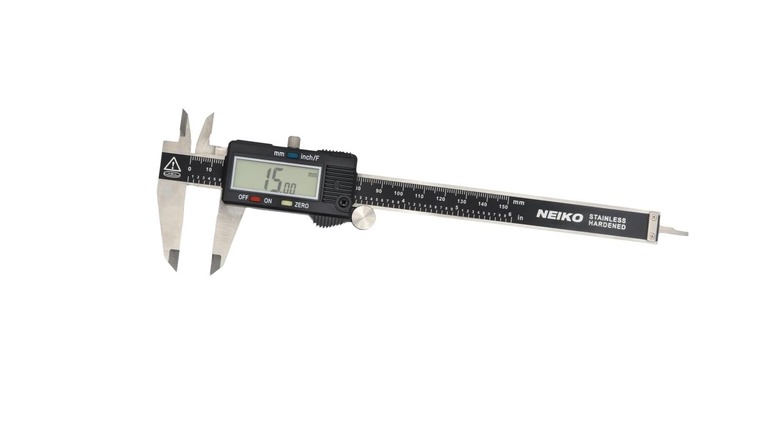
For anyone new to 3D printing, a digital caliper can help a lot with better understanding part dimensions and reducing mistakes during early projects. That is because digital calipers let you precisely measure reference objects for models, in addition to checking width, thickness, and other details of a print when it comes out of the machine.
It is also a relatively small investment. For instance, you can buy the Neiko Electronic Digital Caliper for $28 on Amazon. At that price, it lets you measure objects of up to 6 inches, or 150mm, with a resolution of 0.01mm, in addition to letting you change the unit of measurement quickly. The model also has an LCD screen, making it easier to read the values during checks.
Although this type of precision does not matter much for anyone who already downloads ready-made models from the internet, it is still useful for anyone starting to create their own. For example, if you need a replacement part for something, you can measure the dimensions with the caliper and transfer those values to the software.
Flush cutters help with filament and finishing
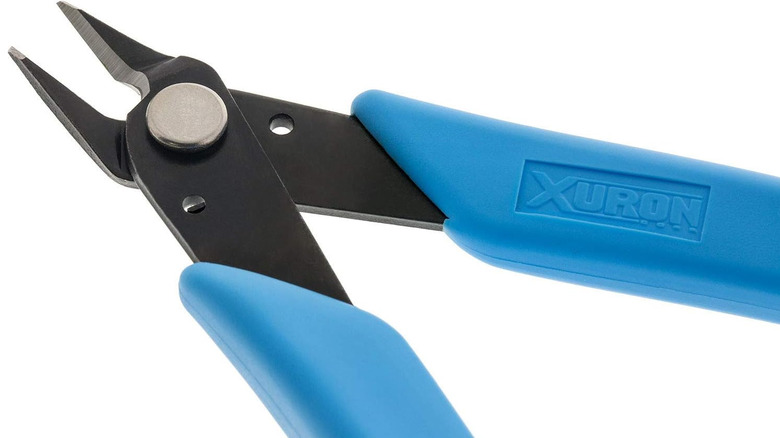
Another accessory that can be very useful for anyone starting in 3D printing is a flush cutter. This can help cut the tip of the filament before inserting it into the extruder, in addition to removing small leftover pieces of material. This helps a lot with finishing parts without requiring you to grab a more expensive tool.
This type of tool also complements basic adjustments that improve the print result, especially if your project uses many supports or requires manual finishing. So, having a flush cutter nearby can speed up part cleanup and make printing much easier.
A relatively affordable flush cutter to buy is the Xuron 170-II Micro-Shear, which costs $12. It has blades designed to make flush cuts in soft materials, while also having a narrow shape to reach smaller areas. So, it is very useful for trimming tight spots on a print more easily.
Deburring tools make post-processing much easier
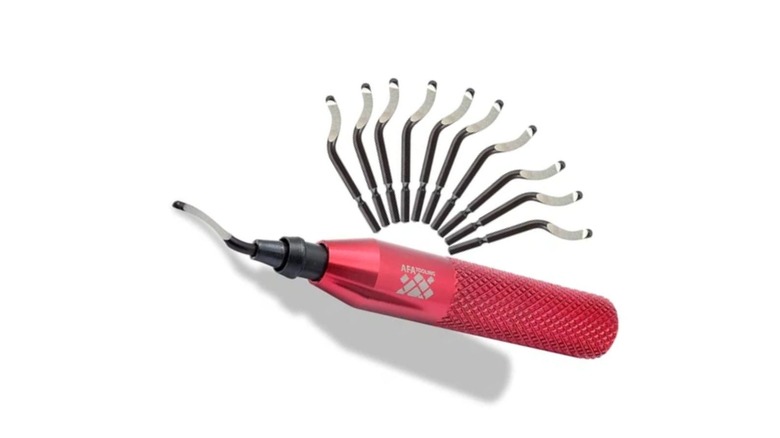
A deburring tool can make a big difference when the first prints start coming off the bed with rough edges, brims, or small marks left by supports. The AFA Tooling Deburring Tool is a simple option for this type of work, since it costs around $15 and helps beginners get a cleaner finish without depending only on sandpaper.
In addition, sandpaper has some disadvantages, especially if you want to reach a tighter corner of a part. It is not always practical, mainly if your model is smaller or full of details. So, having a rotating blade lets you remove excess plastic with more control and reach these harder areas. The AFA Tooling version includes 11 high-speed steel blades along with a rotating head that follows irregular surfaces. So, for anyone learning how to deal with these imperfections, having one of these helps make the manual finishing process easier.
A filament dryer can prevent moisture related problems
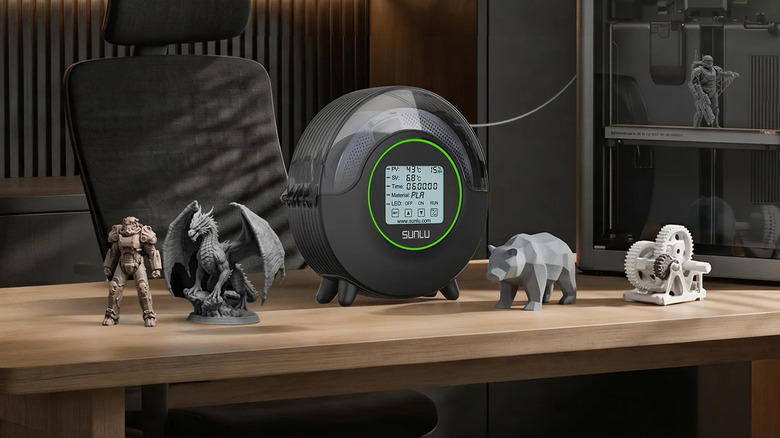
Although not every beginner needs to buy a filament dryer right away, especially if their focus is printing with PLA, having one can be extremely useful. That is because filament usually absorbs water from the air over time, which can hurt the quality of your projects, even if it appears to be in good condition.
When this happens, the main problems that can appear are excessive stringing, rough surfaces, and fragile layering. For anyone who wants to work with more sensitive materials, such as Nylon or PVA, it is important to consider a printing filament dryer, since they can deteriorate faster.
The Sunlu S2 Filament Dryer costs $46 and is an interesting alternative as it offers 360° heating and reaches drying temperatures of up to 158 degrees Fahrenheit. You can also feed the printer directly through the dryer while it works. However, if you are a beginner and can store your filaments in a dry environment, you can consider investing in other equipment first.
A plastic scraper makes build plate cleanup easier
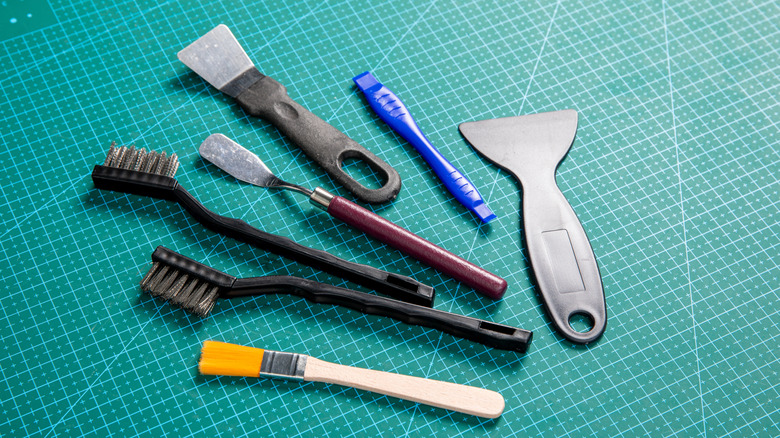
Another accessory you can buy if you are a 3D printing beginner is a plastic scraper from The Home Depot or any retailer of your choice, since it makes the cleanup routine much easier for anyone starting with a 3D printer. After a few completed prints, it is normal for some residue to stay stuck to the build plate, and you cannot always remove all of it by hand. So, a plastic blade lets you loosen this material without using something metal that can scratch your printer's build plate.
Knowing how to clean a 3D printer correctly helps avoid residue buildup and other problems that can affect the next prints. The scraper can be a helpful addition and is not a huge investment, since you can find this accessory for only a few bucks online. Going for a compact model also makes it easy to store, turning it into an accessible option for beginners who want to easily clean the build plate.
How we chose the best 3D printing accessories for beginners
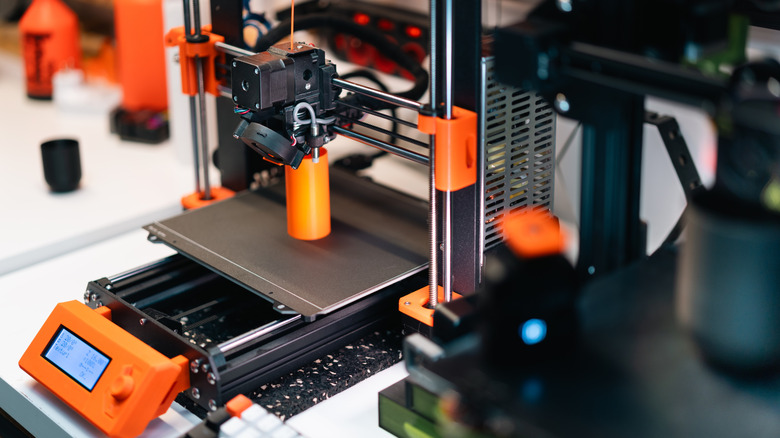
There are many accessories that a person interested in 3D printing can find, but many vary in usefulness, price, and complexity. For compiling this list, we researched the main recommendations from 3D printer users and prioritized those that solve common problems that beginners face.
We also gave preference to cheaper products that are easy to find on the market, precisely because beginner accessories need to be more accessible. Besides price, we also considered how easy these items are to use and avoided tools that are too specific or require some degree of expertise to use.