

9 States With The Most Solar Panels (And How They Use Them)
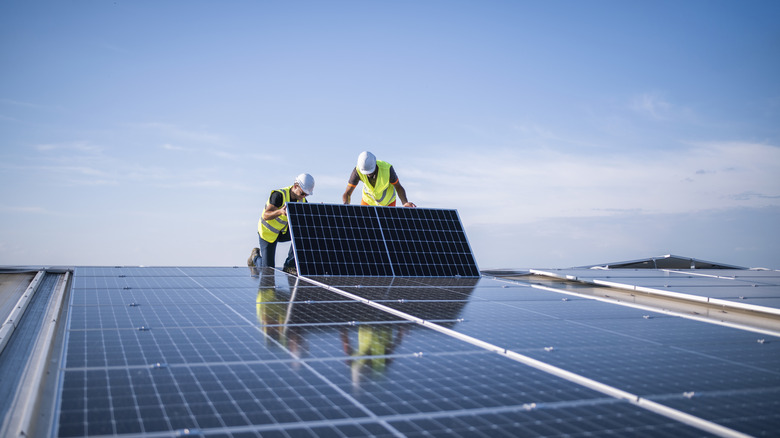
Solar energy is a key pillar not only within the world of renewable energy, but also in the total energy mix of the world. Interest in photovoltaic panel technology continues to grow as individual home solar installations are able to reduce the strain on grids and save individual residents significant money. Countries like China are steaming ahead with a solar power surplus the U.S. could only dream of, but don't make the mistake of thinking America is sitting on its laurels and letting the sunshine go to waste.
That said, making the shift to solar isn't easy, whether you're an individual or a government entity. It requires expensive infrastructure and careful planning. At a state level, the amount of progress toward making solar a key part of the energy mix has gone better in some places than others. Sometimes it's just that a state's geography doesn't mesh well with solar, but more often than not it's the exact mix of public policy and private appetite for this rapidly developing technology that determines how fast the rollout can happen.
So, which states are doing the best job of making the move to solar? We looked up the data from the Solar Energy Industries Association (SEIA) to determine which states are generating the most total solar power as of June 2026, and then we found examples of how each state is using its solar energy.
1. California
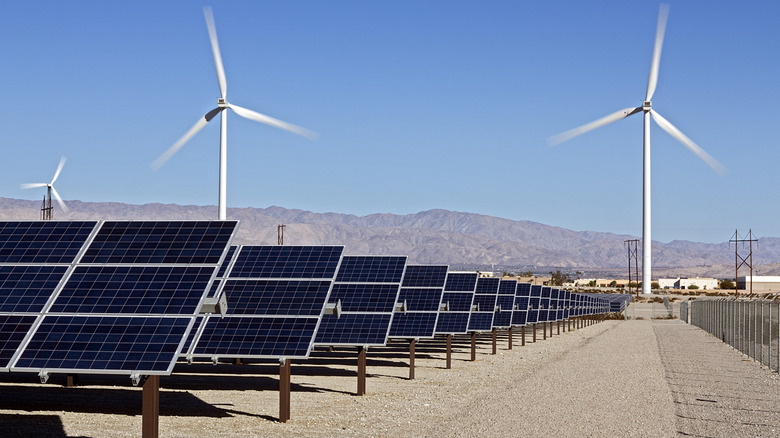
It should be no surprise that sunny and progressive California sits atop this list. Not only does it have the right climate for solar panels, but California has a long history of environmentalism and its support for renewable energy has been nothing short of exemplary. The state has an RPS (Renewable Portfolio Standard) that requires 60% of power to be from renewable sources by 2030. State net metering (where you offset your grid use with solar) is layered on top of federal investment tax credits (ITC) making solar highly attractive to both businesses and household.
The actual numbers are staggering. California has 55,510 MW of installed capacity, and it can store over 60,000 MWh of power. That's enough power to run 16,271,789 homes according to SEIA. Net Energy Metering (NEM) has helped homeowners save money on their monthly bills and reduced California's reliance on "dirty" power sources such as coal.
There's also the Self-Generation Incentive Program (SGIP), which brings a bundle of incentives to encourage the installation of solar infrastructure and to support existing installations. The potential savings are substantial, with the expected savings over 25 years ranging from $40,000 to $80,000. California's new energy experiment, called "Project Nexus," started in 2025 and uses solar panels over canals to both harvest solar energy, and reduce water losses from evaporation. California is also home to the largest solar farm in America, so this victory is unsurprising.
2. Texas
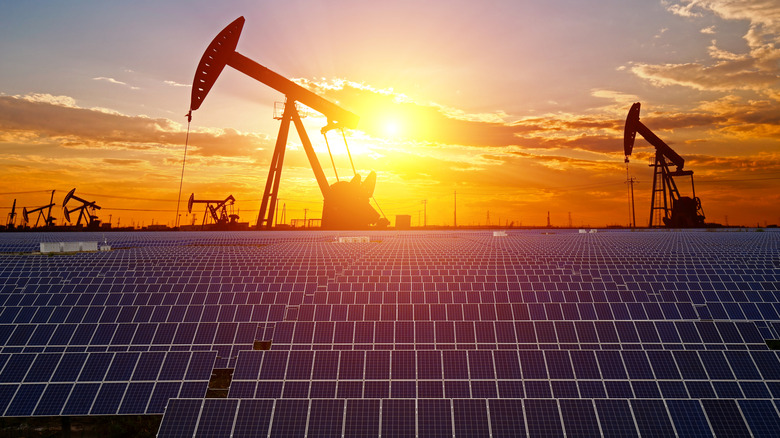
It's rare for California and Texas to be right next to each other on a list, but while each state has its own distinct character and culture, they share an abundance of sunshine. It's even more jarring to see that Texas is second on the list of top solar states, because it's also the top oil-producing state in the U.S. You'll still see plenty of oil pumpjacks throughout the state, but as Texas increases its focus on renewable green energy, you'll also be seeing more solar farms get built.
With 53,568 MW of solar installed, Texas isn't far from the top spot, but its storage capacity of 29,163 MWh is only about half of what The Golden State has. This makes sense given that unlike California, most of Texas' solar generation goes towards utility-scale generation rather than residential. Less than 2% of the rooftop solar potential in the state has been exploited so far, but despite this Texas still ranks third in the U.S for residential solar generation. In late 2025 solar output overtook coal in Texas, so there's no doubt that this oil-rich state has a bright renewable future.
An interesting thing to watch about this trend involves the number of tech companies that are moving from California to Texas, and it seems a data center boom is following in the wake of this shift. For example, TotalEnergies is set to provide a full Gigawatt of solar power to Google Data centers in Texas.
3. Florida
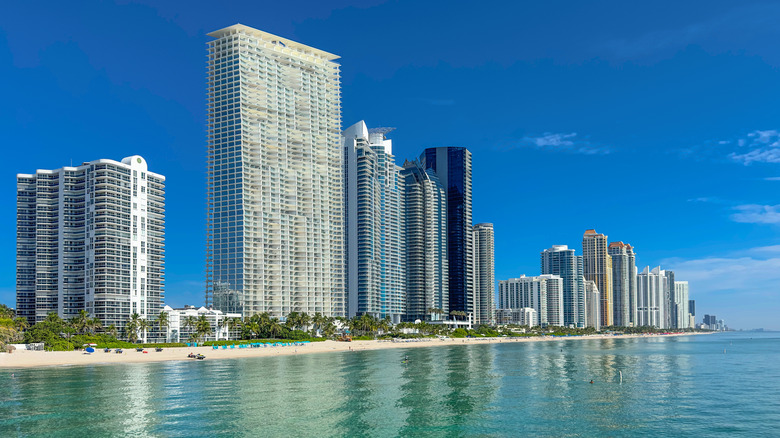
Florida holds a respectable third place in the national solar race, but despite being The Sunshine State, it sits quite far behind California and Texas in terms of installed capacity with 21,968 MW. Likewise, the state's storage capacity is virtually non-existent, with just 1,476 MW of room for surplus energy. Similar to Texas, Florida's solar industry is driven more by utility-scale infrastructure than residential.
Florida is sunny, but it is also notorious for its violent weather events, which is why it needs houses that survive category 5 hurricanes. The same weather that would be ideal for renewable energy sources such as wind and solar, also make things difficult. Residential rooftop solar installations, for example, are an issue since a storm powerful enough to blow the roof itself off will obviously also destroy any solar panels attached to it. Even so, Floridians are clearly pushing for rooftop solar with around 4% of homes using solar as of 2025, but experts expect rapid growth in the coming years.
One of the most interesting applications of solar energy in Florida is the production of hydrogen. This abundant chemical is an excellent energy carrier, and Florida has unique hybrid solar farms that use a portion of the solar energy to split water into oxygen and hydrogen. That hydrogen can then later be used after the sun goes down, bypassing the cost and environmental issues of chemical battery storage. The end result is just the same water that you split in the first place.
4. Arizona
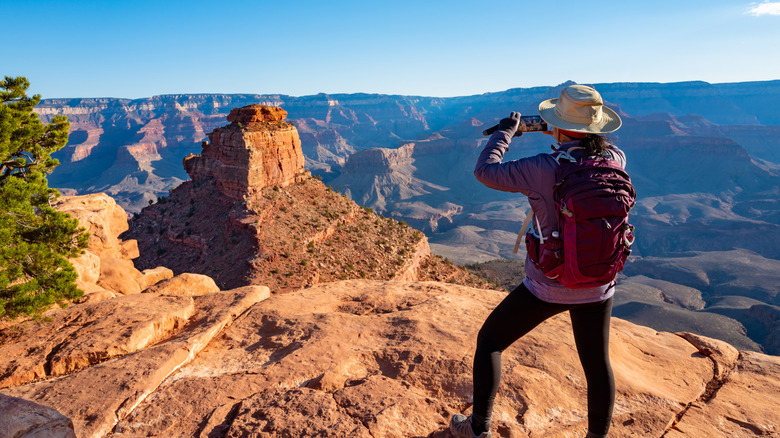
Given that Arizona is mostly arid and semi-arid containing no fewer than four major deserts within its borders, it's perhaps no surprise that it's rated this high in the U.S. rankings for solar power infrastructure. As of 2025, however, the state has only 11,751 MW of installed solar capacity, but what is surprising is that its storage capacity, at 20,245 MWh, is practically double that figure.
Like Florida, Arizona is one of the sunniest states in the country, so it has incredible growth potential. Especially with all that desert terrain. That said, we've already seen how solar farms in a Chinese desert can alter the ecosystem. By intercepting solar energy, the soil retains more moisture and becomes more fertile. This sounds like a good thing, but any ecological change can have unforeseen consequences, which means Arizona will have to think carefully on how best to use that sunny desert land. Arizona wants to be carbon neutral by 2050, though, so the pressure to find solutions is definitely on.
Arizona is already innovating with solar and nature by placing solar panels over crops. This practice is known as agrivoltaics, which generates clean energy while shielding crops and farmers from harsh sunlight. Doing so allows farmers to use the same piece of land for two purposes simultaneously.
5. North Carolina
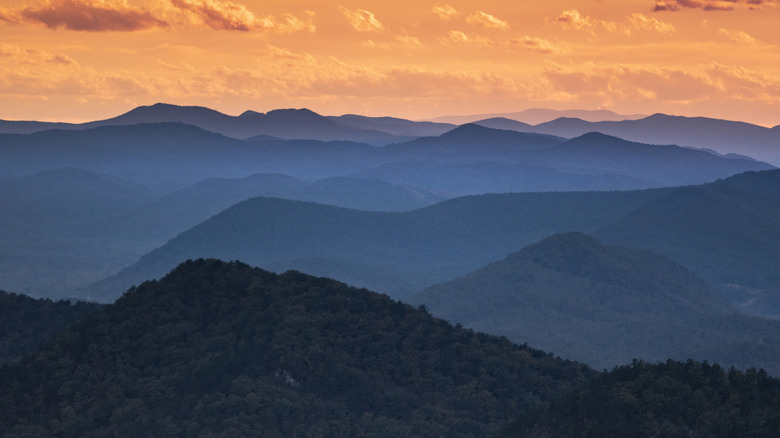
While North Carolina has 10,093 MW of installed solar capacity, its storage capacity of under 1,000 MWh means that not much of that solar power can be stored. Not to be deterred, NC is one of the national leaders in utility-scale solar development, and as solar grows in this state, expect to see North Carolina's rankings rise when it comes to both its solar capacity and storage capacity.
North Carolina is known for having diverse landscapes within its border, and this is also a state that has a massive agricultural industry. While solar and agriculture have been growing together, utility-scale solar projects have taken up surprisingly little agricultural land. Where there has been overlap, NC has engaged in agrivoltaics similar to what we saw in Arizona. The state that gave us Pepsi, Krispy Kreme, and unique barbecue might one day mainly be known for its clean energy.
Given the diverse landscape, it makes sense that solar projects are equally eclectic. The U.S. Army stationed at Fort Bragg boasts the largest floating solar array in the Southeast. Producing 1.1 MW of energy with a 2MWh storage system. In 2024 the EPA granted $156M to an organization called EnergizeNC. A coalition aimed at giving solar power access to as many residents as possible by expanding rooftop solar, multifamily solar, and community solar for low-income communities in particular. NC's legislation is particularly community solar friendly, which means projects like this will steadily increase both solar capacity and equitable solar access.
6. Illinois
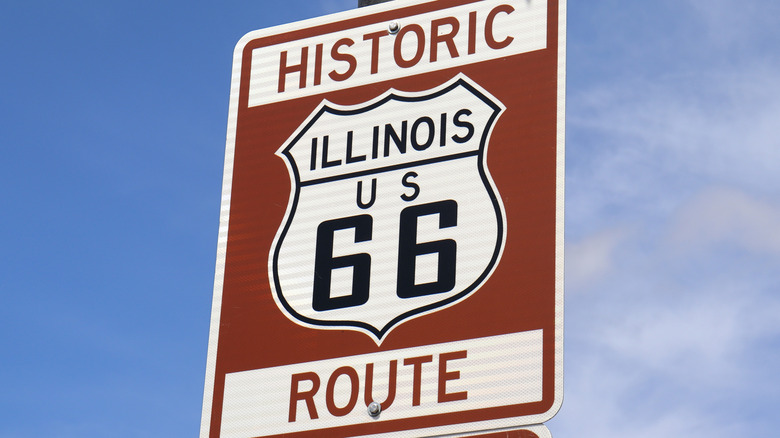
At 8,290 MW of installed solar capacity, Illinois manages sixth position nationally. A much more pressing issue is the lack of storage capacity in light of all that generation capacity. The state relies on coal and nuclear power for baseload, which needs to change in the long term. Right now, Illinois can only store 93MWh of renewable energy. However, if new laws that have been signed by the governor take effect, then Illinois plans to install 3GW of battery storage by 2030. Given that this capacity is effectively nothing at the moment, this would be a tremendous achievement.
Clean energy is growing at a tremendous pace, and the state is focused on expanding solar deployment wherever it can. The Illinois Solar For All program is worth mentioning here, since it aims to help "income-eligible" homeowners and even people who rent access cheaper solar power. According to the program, the average annual savings on power for families that have been assisted by the program is over $1,000.
Another highly-notable project is Illinois Shines, a state-administered project that can award incentives to a wide variety of solar projects. This means that, like North Carolina, the spread of solar generation projects are diverse. The incentives given to solar vendors through this program can be passed on as savings to end users, which means it has the potential to bring more users into the solar fold. Illinois Shines is also actively helping public schools switch to solar, which has economic and educational benefits.
7. Nevada

Nevada hits the seventh spot with 8,244 MW of installed solar capacity and 6,331 MWh of storage capacity. This is another state with open desert regions and a sunny, dry climate, making it ideal for solar power development in the future. While it might only be in seventh place for capacity, Nevada gets 33.5% of its power from solar — putting it behind only California for this statistic. This means that a third of those bright lights Las Vegas is famous for get their power from solar.
Nevada's Renewable Portfolio Standard was established all the way back in 1997 and currently stipulates that the state must get 50% of its power from renewable sources by 2030. Given that more than a third of its power already comes from solar and there's plenty of room to grow, this is a target that it might actually, realistically hit. With a current storage capacity that is so low, Nevada might be the best place to be over the next few years if you're a battery salesman.
In a wonderful nominative coincidence, Nevada's Freedom Park received a 1,500-panel 480KW solar parking bay system in 2024. This is a great example of solar technology pulling double-duty. shading parked cars from the harsh Nevada sun, while also turning energy that would have been wasted cooking a car into energy that can, instead, cook your dinner.
8. New York
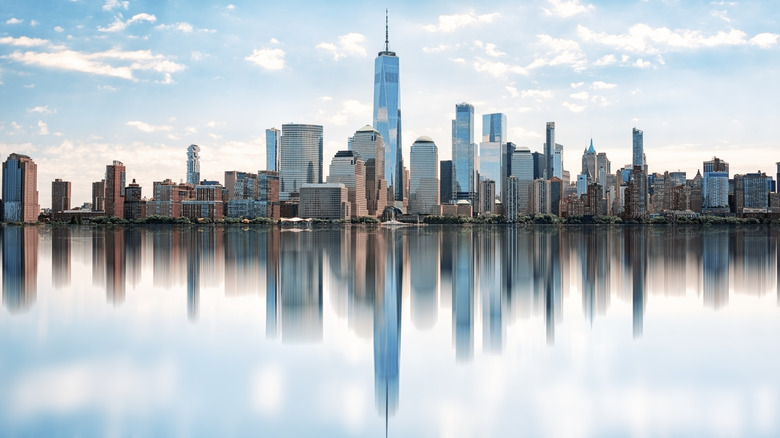
The Empire State is ranked eighth for solar capacity with 8,226 MW installed, but it also has a low relative storage capacity at 1,096 MWh. Solar only makes up a modest 7.7% of the New York's total energy mix, but it is growing. The NY-Sun program is aiming to grow that number by offering both on-site and community solar access and making citizens aware of the various incentives and tax breaks afforded to those who go solar in NY.
As for New York City, the drive for rooftop solar is substantial. NY-Sun is providing $200M of funding to add a gigawatt of power generation to the state as a whole from rooftop and community solar, but the mayor's office has committed to adding 1,000MW within the city by 2030. One project that neatly encapsulates the unique New York flavor of solar power is Sunset Park. Claimed to be the first New York City community solar project that's actually owned by a cooperative and not a nonprofit or government entity. Sunset Park allows people who own or rent homes (as well as small businesses) to access solar power without actually installing any solar equipment. Subscriber-members vote how the project invests its resources, so it's truly equitable.
9. Virginia
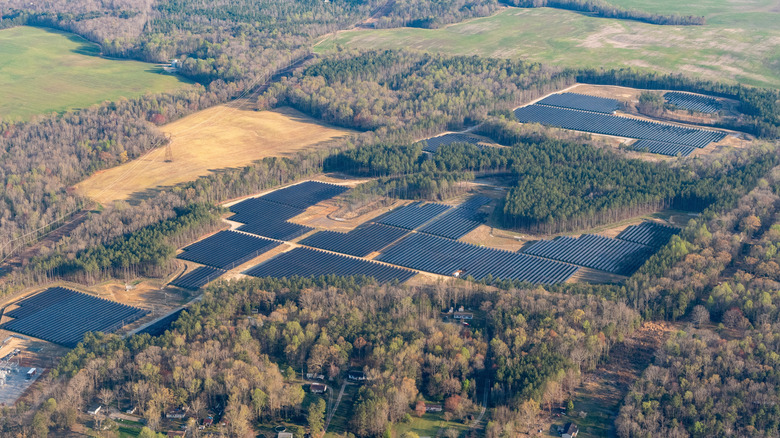
Virgina ranks ninth on this list with 7,841 MW of capacity, but it only has 162 MWh of storage. This state's solar journey is shaped by the Virginia Clean Economy Act (VCEA), and its growth of solar capacity has been consistent. Nearly 10% of all power in the state comes from solar and its capacity is expected to more than double over the next five years.
This sounds like a tall order, but Virginia's track record here is impressive. The state had zero solar capacity in 2015, but by 2021, it was topping 3,500 MW. That represents massive coordination and investment at every level. The Virginia Clean Economy Act of 2020 played an important role here, and this act set a 16,100 MW capacity target with solar and wind combined. Virginia is about halfway there, but given how quickly these numbers have been growing, the timeline might be much shorter than the experts predict.
The Spotsylvania Solar project, is a remarkable example of how solar energy generation can be used not only to directly provide clean energy, but also to fund environmental protection. Combining four solar projects, Spotsylvania covers 6,350 acres of land. However, 2,000 acres of that are being preserved as undeveloped land for conservation purposes. That's in stark contrast to the land destruction involved when building coal or nuclear facilities, and it's one way Virginia is showing the way for green energy potential.
Methdology
In order to get accurate rankings of current solar capacity of states, we used the most current rankings from the Solar Energy Industries Association (SEIA). This is a national trade association for both the solar power generation industry and the renewable energy storage industry. It's a good place to find both official state data outlined in a clear way, and to see the various regional solar energy policies, and what policy changes SEIA is pushing for in each state.
Once we'd established the official rankings for each state from SEIA, we investigated federal and state sources of official information to see where that total solar capacity comes from and how it breaks down. Each of these states have been the most successful at building, growing, and managing their solar power industries, but they all have unique challenges, too.
Finally, we searched for notable or interesting solar projects on a state-by-state basis, that illustrate the renewable energy philosophy and creative problem solving of both government and private projects. With most states aiming for a 2050 carbon-free date, we expect all of these numbers to rise dramatically over the coming years, and solar energy to play a bigger and much more visible role in the daily lives of citizens all over the United States.