

3 Disadvantages Of Using A Phone Screen Protector
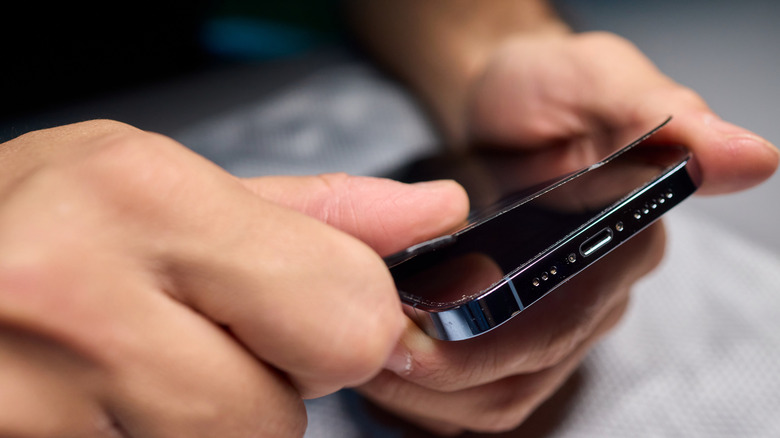
Although there's an argument to be made that phone screen protectors are no longer necessary, you may nevertheless feel more comfortable using one. If you're going to apply a screen protector, it's worth doing some research to ensure you get a quality product. For example, you may want to confirm your screen protector has an oleophobic coating. It can also generally be helpful to know about common disadvantages of using phone screen protectors.
If you understand the disadvantages of cheap screen protectors compared to stronger ones, you may decide to shell out more for something that will cause less trouble in the long run. In addition, having an overall sense of how a screen protector can affect your user experience will at least prepare you for certain trade-offs you might make by installing one. Of course, there's also the possibility that learning about these potential disadvantages will change your mind and convince you not to buy a screen protector after all.
Screen protectors may add to a phone's maintenance needs
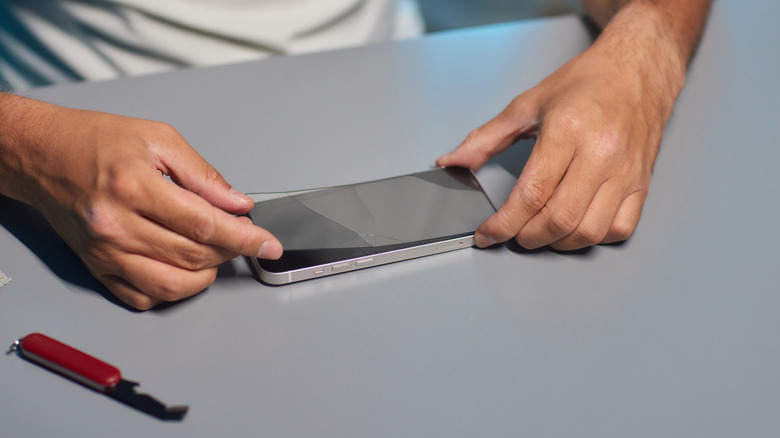
Again, the value of researching your options before buying a particular screen protector can't be overstated. Quite simply, not all screen protectors are created equal. The quality of the product you buy will directly influence how your screen protector fits into your phone-related maintenance tasks.
That said, installing a screen protector typically does involve signing up for some extra phone upkeep. Despite being designed to protect your screen, these add-ons can scratch. On the one hand, this means the screen protector is getting scratched, rather than the phone's screen itself. However, some screen protectors can scratch easily, and you may decide to replace yours when this happens.
The adhesive of a screen protector also doesn't last forever. As it fails, dust and other contaminants can theoretically get trapped between the protector and the screen, particularly around the edges and corners. It's also worth noting that there is a minor risk of damage every time you remove a screen protector and apply a new one.
Screen protectors can impact the look and feel of a phone's screen
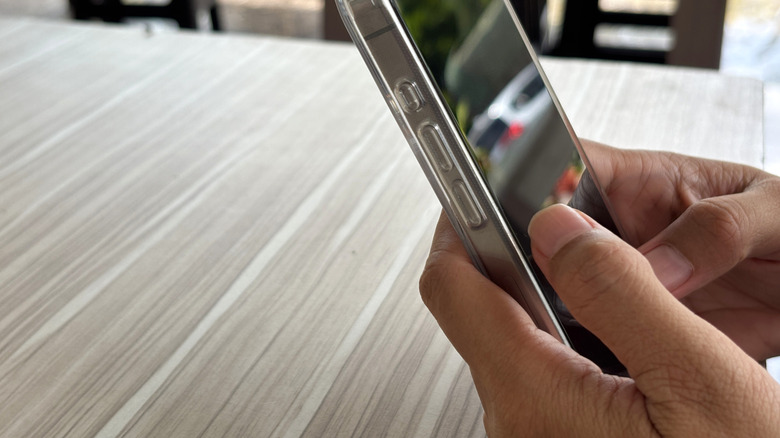
The feel of a screen protector may not be as pleasant or natural to you as that of your phone's actual screen. This might seem like a minor issue, since using a phone requires manual interaction with the screen, but what starts as a small frustration could easily develop into a more significant annoyance.
An older screen protector may also change color over time. While the effect is likely to be subtle, this can nevertheless have an unwanted impact on the appearance of the phone's screen. As alluded to earlier, you also have to account for the fact that most screen protectors will scratch more easily than the phone screens they're designed to protect. Yes, you can go through the time-consuming and costly process of replacing a screen protector every time it accumulates scratches, or you can decide doing so isn't worth your time and money. In that case, you'll have to accept that your phone's main surface won't look as attractive or clear as it otherwise could.
You might also consider that the process of properly applying a screen protector can be annoying. That might seem like a small price to pay to protect the expensive screen of a valuable device, but it's worth remembering you may be putting in a decent amount of effort for minimal benefit. If you don't apply the screen protector perfectly, you may be left with bubbles and other such imperfections that can detract from the phone's aesthetic appeal.
Some phone screen protectors can cause a drop in touch sensitivity
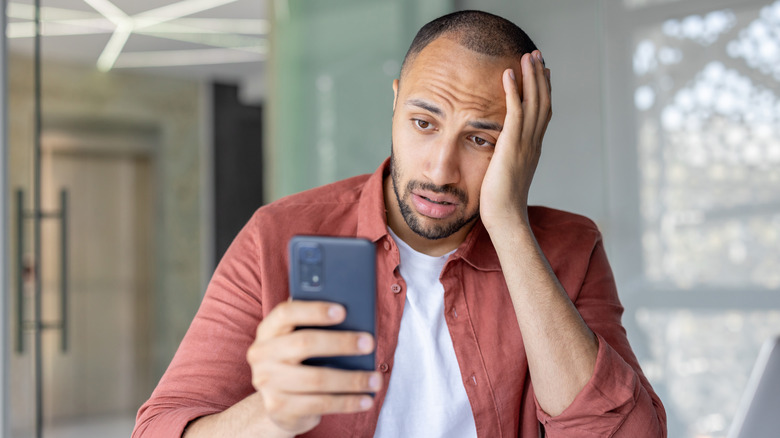
Your phone's screen must respond to your taps and swipes. A smartphone that doesn't respond to your interactions with the screen is essentially useless. While no legitimate phone screen protector will completely prevent your phone's screen from registering touches, some screen protectors can negatively affect screen sensitivity.
This is more likely to happen if you use a cheap plastic protector. With these types of screen protectors, an air gap can form between the screen and the protector. This air gap can interfere with your phone screen's ability to detect touch. As a result, you may find you need to tap or swipe more firmly for the device to respond.
None of this is meant to suggest that everyone considering buying a screen protector should change their mind. Some users appreciate the peace of mind that comes from using a screen protector, despite any disadvantages. You should review your options to determine what's best for you and your device. Just remember that choosing the right type of screen protector can play a huge role in this accessory's effectiveness.