

8 Gadgets & Electronics You Should Never Leave Plugged In Overnight
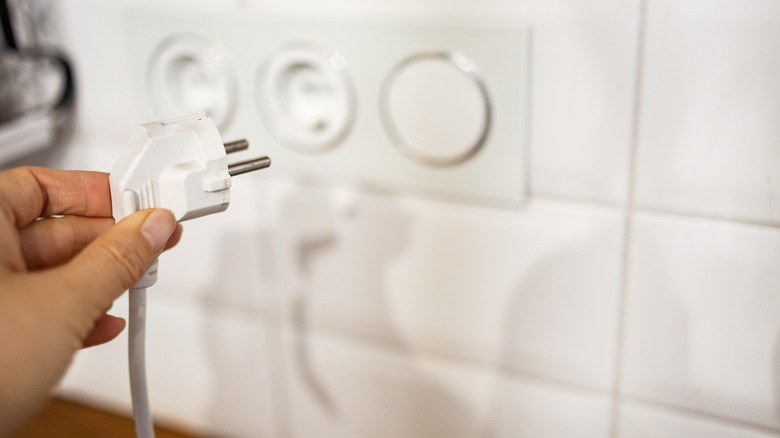
Most of the modern gadgets you own today are smart enough to turn themselves off if you forget, and are perfectly safe to leave plugged in and turned on overnight. Others might actually represent a danger because they should never be operated without someone present to supervise them.
Even if a given device is safe to run overnight, that doesn't mean it's a good idea. The standby modes of some gadgets and appliances turn them into "energy vampires," which is when you're paying for the dubious benefit of having a device turn on more quickly, or waking up to do updates now and then. This might have made sense if your internet was terribly slow, but modern broadband turns this into just a minute or two of inconvenience, versus all that standby power you're paying for to save negligible amounts of time.
If you own or operate one of these devices, strongly consider actually turning them off at night. You don't even have to do it manually. Smart plugs let you turn devices off at set times, and you can even control them from away from home. Yes, smart plugs also consume power, but it's usually a net positive trade-off compared to the energy drain of the device they control. Just keep in mind that there are some devices you should never use with smart plugs.
Space heaters
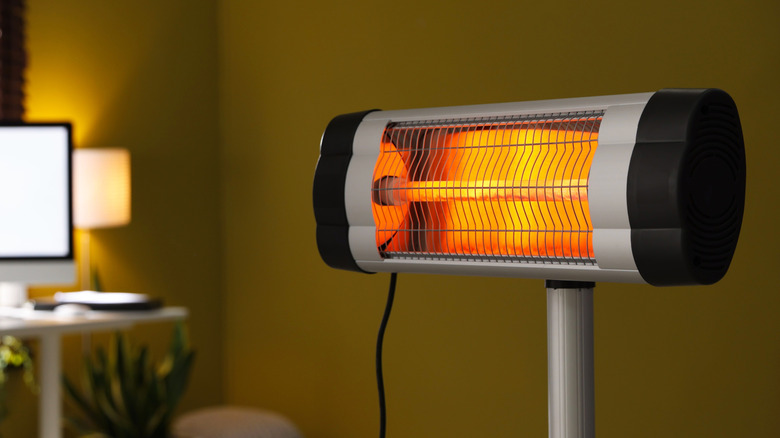
The term space heater doesn't refer to any one specific technology. It's simply "a usually portable appliance for heating a relatively small area," according to Merriam-Webster. Here, we're specifically concerned with the type of space heater shown above. These contain an electrical element that heats the room using convection and radiation.
These types of heaters use huge amounts of energy, and even a cheap Amazon Basics Space Heater consumed 1,500 watts. That's more than enough energy to start a fire, and despite modern space heaters having a thermostat, tip-over protection, and overheating protection, they still start thousands of fires every year. It's not unheard of for space heaters to be recalled, but even when they work exactly as designed, things can go wrong.
One issue is that the radiant heat from those bar-type heaters can ignite flammable materials such as fabrics that are too close. It doesn't happen instantly; as the heat builds, it can reach ignition temperatures. Likewise, although the heater might turn off if a pet knocks it over, it doesn't cool instantly and could be hot enough to start a fire. It's not that something would necessarily go wrong if you left your space heater on overnight, but it's a device that requires constant supervision, which you can't provide if you're asleep. If you need to heat a room overnight, consider something like the Black+Decker portable air conditioner, which has a heating function. For safety's sake, it is best to unplug space heaters overnight, or whenever they are not in use or being directly supervised.
Electric blankets
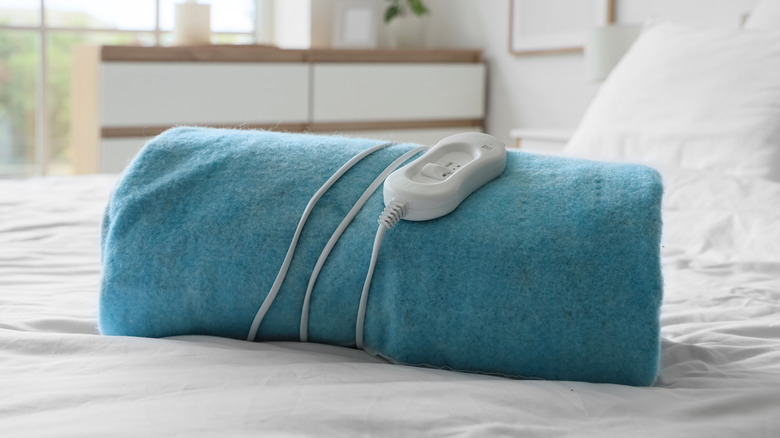
Electric blankets present a potential safety hazard. Modern models have plenty of safety features to make a dangerous or tragic outcome much less likely, but it's still better to turn them off before you fall asleep. The correct use of an electric blanket is to preheat your bed, not keep you warm throughout the night, but some people still use them this way.
If you're using an older electric blanket that lacks modern safety features, you absolutely should not leave it on overnight. The older it is, the more likely the wiring is worn and damaged. Some modern blankets may have a timer function. So if you must, you can set it to turn off a few minutes after you go to sleep, but it's still safer to manually ensure it's off by unplugging it. There have been cases where faulty heated blankets have burned people, and a recall won't undo that harm.
People with health conditions like diabetes or poor circulation shouldn't sleep with an active electric blanket under any circumstances. Thanks to reduced heat sensitivity, you could suffer burns without noticing. There is such a thing as a low-temperature burn where heat builds up in your tissues, and the damage can be no less serious than other types of burn. No one wants to wake up and go straight to the hospital, so get it warmed up properly, then unplug it before you turn in for the night.
Phone chargers from unknown brands
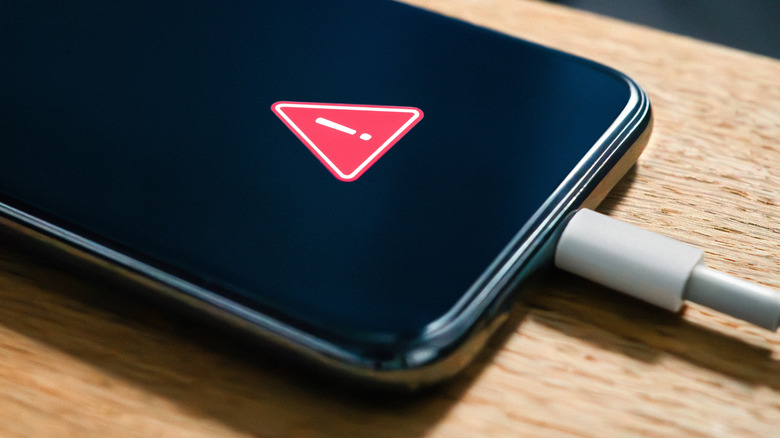
Before Apple switched to USB-C, you needed an MFi (Made for iPhone) charger and cable to ensure your iPhone charged properly. Many people opted to buy fake Apple chargers instead. Somewhat predictably, some of these fakes turned out to be pretty dangerous, with a significant chance of causing fires or damaging the devices connected to them.
Today, things haven't really changed. If anything, the problem is worse because smartphone makers stopped putting chargers in the box. They assume you already have a charger from your last phone, but if you don't, you'll need to buy one. Most people will look for the best deal, and when you have two chargers that look the same on the outside, why not buy the cheaper one?
Shortly before this very article was written, a U.K.-based consumer watchdog group called "Which?" released a report on no-name or knockoff chargers sold on Amazon that could electrocute users or explode, causing fires (via TechRadar). First-party or any properly certified and safety-tested third-party chargers are safe to use overnight. It's also totally safe to charge your phone overnight. However, if you have any doubts about a charger's origin and can't confirm it is a certified unit from a reputable brand, avoid charging your phone with it, or, at the very least, avoid leaving it plugged in overnight or without supervision.
Power banks
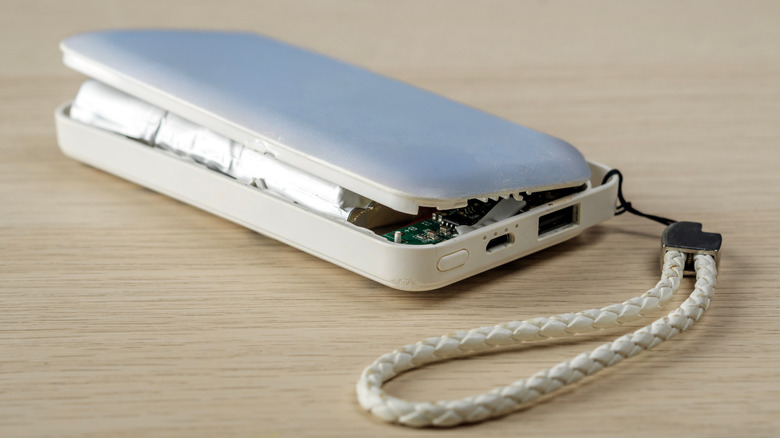
Power banks are a fact of life these days. They became popular right after we left dumb phones with days of battery life behind for the thrills of doomscrolling. Modern phones last much longer, but the power bank is here to stay, and your options when buying one are enormous. Ideally, we should only be buying the best portable chargers, but when all you want is backup power on the go, any power bank will do, right?
The thing is, lithium-ion battery technology is actually quite volatile. The excellent safety record that modern devices using these batteries have is largely due to ingenious safety engineering and the sophisticated battery controller systems we have as a result. Even then, even with the best-quality battery banks, these devices will sometimes flame out violently.
Some power bank manufacturers recommend against charging their power banks overnight, since there is a risk of overheating and thermal runaway, even if the risk is small. Just like no-name chargers, power banks of dubious origin carry a greater risk, since they may not have undergone the minimum required safety testing and certification. The good news is that modern power banks don't actually need to be left overnight to charge. Fast-charging technology lets you top up even the largest power banks in an hour or two, assuming you have a charger capable of supplying enough power.
E-bike and e-scooter chargers
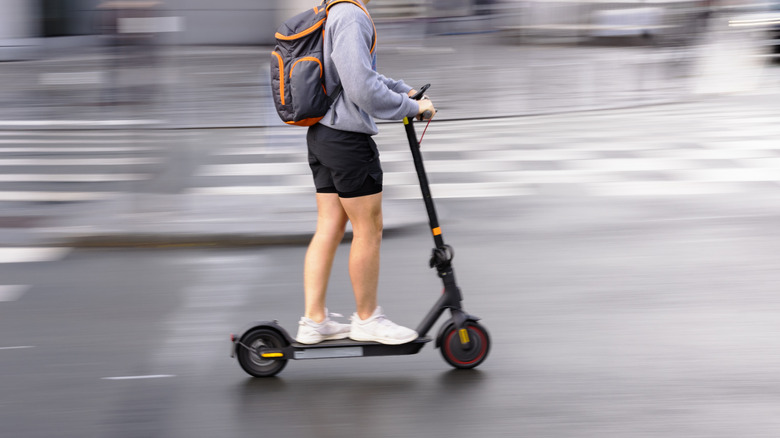
Personal electric transport like e-bikes and e-scooters is awesome for last-mile travel or for making your commute faster and decidedly less sweaty. However, if you think the prospect of a power bank battery going up in flames is scary, consider that even small e-scooters contain much larger batteries and far more energy that might end up fueling a fire.
This is why you must charge these vehicles under supervision. It can be tempting to charge them overnight so they're ready to go in the morning, but it's better to find alternative strategies. Many of these bikes and scooters have swappable battery packs. So you can ensure you keep one charged and avoid overnight charging. If you're going to school or work, you might have the chance to charge your scooter or bike at your destination, ready to go when it's time to clock out.
Even when charging them under your watchful eye, there are a few rules to ensure the process goes safely. Don't charge packs that might have been damaged in a fall or otherwise don't look intact. Charge with the official approved charger only. You should charge these vehicles on a hard surface in a cool, dry place, and not in a main route to an exit from your home. It's also a good idea to fit a smoke alarm in the room where you'll charge the vehicle.
Cordless tool batteries
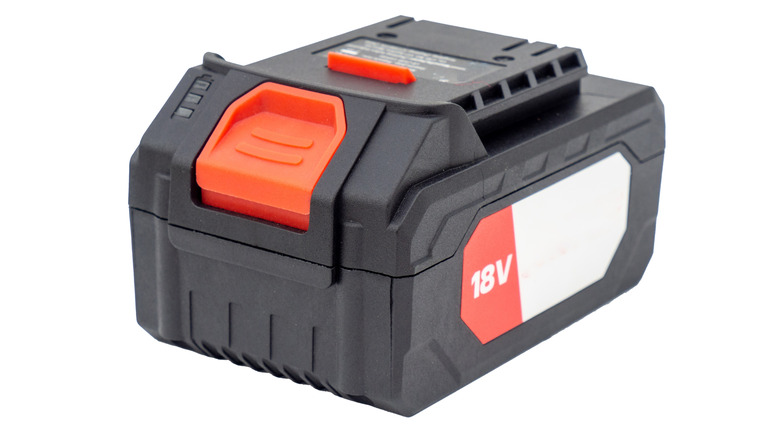
There was a time when cordless battery-powered tools were seen as a last resort. They were once viewed as weak and without enough endurance to do "real" work. Advancements in both electric motor and lithium-ion battery technology have dramatically changed this, and today both DIY enthusiasts and professionals have at least some cordless tools in their arsenals.
The battery packs these tools use are no joke, and they represent a potential fire hazard while charging. As with all the other lithium products we've mentioned so far, uncertified chargers or third-party batteries significantly increase the risk of charging these large, powerful batteries.
The best practice is very similar to charging e-scooters and bikes. Charge these batteries on a hard, flat surface that allows heat to easily dissipate. Make sure there's enough space, and that the batteries aren't in the way of a safe escape route. If anything looks like it may be damaged, or if you know the batteries have been dropped or handled roughly, don't charge them; replace them instead. Never leaving them charging overnight or unattended is a good step toward preventing issues.
Your entertainment center
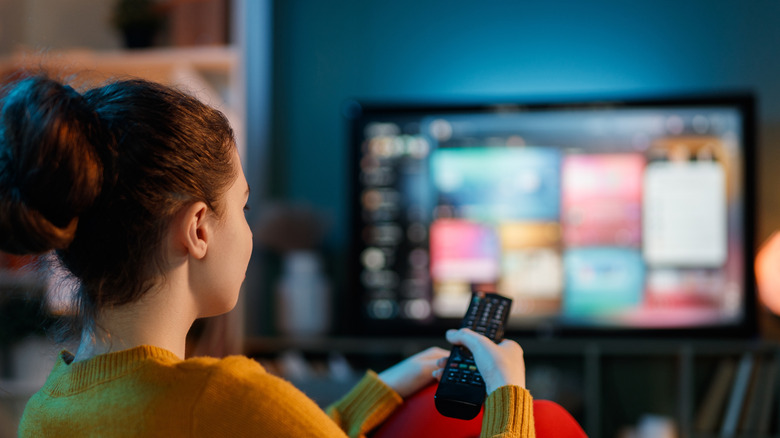
This is probably a good time to take a break from gadgets that can set your house on fire, and focus instead on those that can set your bank account on fire. As we mentioned earlier, some devices are energy vampires that use a significant amount of power when in standby mode.
For example, the 2022 model of Apple TV consumes about 0.8W in standby. TVs typically use between 0.5W and 3W. A PlayStation 5 uses between 0.36W and 3.2W in Rest Mode. So during eight hours of sleep, these three devices together would use 13.28Wh or almost 5KWh per year just from that nighttime period. That's based on the minimum figure, not counting when these devices power on to install updates or send your telemetry back to their manufacturers.
Perhaps this isn't an amount of wasted energy worth concerning yourself with, but it's also easy to simply turn these devices off completely, even if it's just a smart plug or flipping a single switch on the wall when you're not watching. Also consider how many devices are in your home that offer similar standby modes. If you really added all their minimum and maximum standby power figures together, it could add up to a significant amount over the course of a single year, and certainly over the lifetime of these devices. Unplugging at night when you're not using them could pay dividends in your pocketbook.
Small kitchen appliances
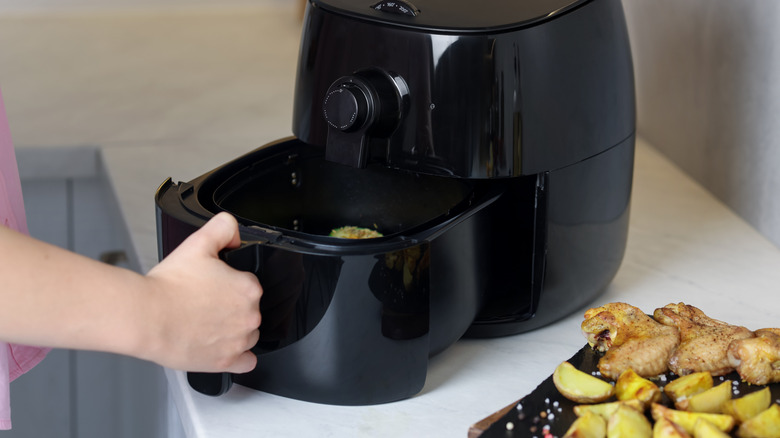
Kitchens are a common source of accidents in the home. It's where most of the sharp things are, it's where many of the hot things are, and it can be a chaotic place full of hustle and bustle. But do you unplug your small appliances like toasters, air fryers, or sandwich makers?
You might have noticed in your air fryer's manual that it says to unplug it when not in use. There are several instances of air fryers starting house fires, and that's just one type of appliance. Short circuits, power surges, or simply placing a hot device too close to something that wants to burn can turn these devices deadly.
In most cases, there's no real reason to leave these devices plugged in. Because these are such high-draw devices, smart plugs may not be the best idea unless they are rated for high-wattage use. Turning off the switch at the wall is also an option if physically removing the plug is too much effort for a device you use every day.