

Why Is Screen Size Measured Diagonally?
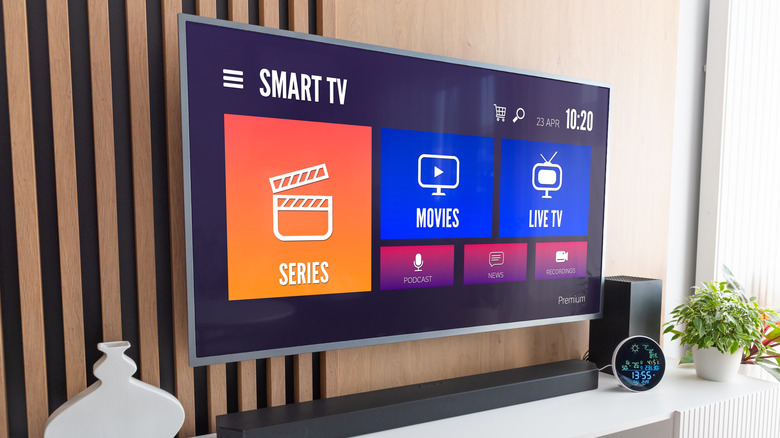
While TV size may not be everything, as esoteric measurement standards go, screen size is one of the less intuitive. It's a consideration anytime you're shopping for a new TV, laptop, or PC monitor, and you've likely noticed that screens are always measured in inches, and always diagonally. While it eventually becomes second nature, for many (especially in the era of the wide-screen TV, when width is the dominant dimension), the initial impulse is to assume that size refers to the width, given that's how we measure other common objects, like furniture.
The issue with displays is aspect ratio. Because they're so variable, ranging from the classic 4:3 to super-wide formats like 21:9, just defining a screen's width doesn't necessarily give an accurate indication of its overall size. Measuring diagonally solves this issue by supplying a consistent metric that can be used to universally compare screen sizes regardless of aspect ratio. While it doesn't give a complete sense of a display's dimensions, it does provide an easy shorthand for cross-device comparison, and it can help for use cases like figuring out if your TV is too small.
Origins and logic behind the diagonal screen measurement
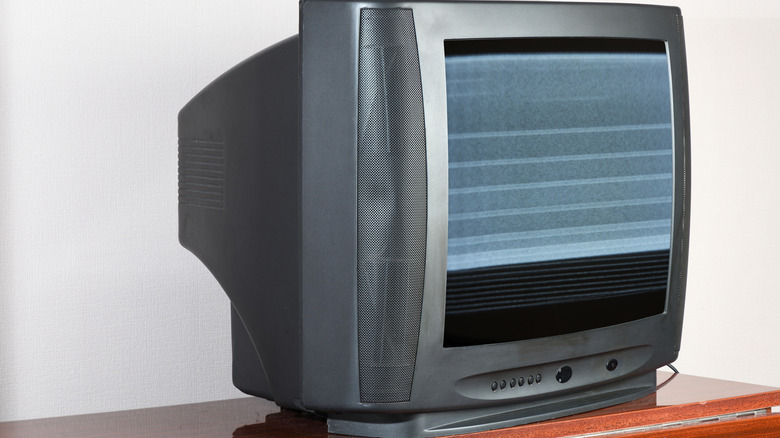
The other important consideration is that a diagonal measurement is the largest, so it's something of a boon to manufacturers and marketers looking to inflate the perceived size of their products. That said, measuring diagonally dates back to the cathode ray tube (CRT) TV era. CRT displays were originally circular, so size was expressed as a measurement of the screen's diameter. When TVs began to expand in size and transition to square and rectangular form factors, diameter was phased out for a simple, single-measurement expression of screen size.
A diagonal measurement is both efficient and inclusive. The diagonal of a rectangle is derived from the Pythagorean theorem, accounting for both height and width, so both dimensions are folded in. It's also a lot quicker to describe a screen as a single diagonal than having to awkwardly spell out both the width and height, though spec sheets will typically lay out the aspect ratio and resolution of a display alongside the raw size to add important context.