

iPhone Or iPod Touch – Which Apple Product Came First?
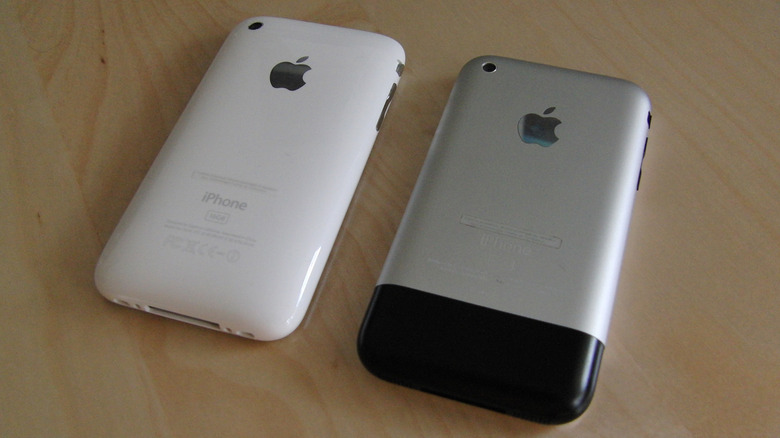
I was around when both the iPhone and iPod touch launched. In fact, I recall covering the launch of the very first iPhone at a local carrier store in downtown Toronto, Ontario, Canada, when the device first arrived north of the border. There were lines around the block of Apple fans dying to get their hands on it. Both the iPhone and iPod touch were, to use Steve Jobs' wording back then, revolutionary devices, changing the way we used portable gadgets. Today, the iPhone leads in customer loyalty.
The iPhone is, of course, Apple's first mobile device with a cellular antenna, designed to work on a carrier network and allow cellular-based phone calls and text messages. It introduced something new and different compared to the boring keyboard-based flip and bar phones and clunkier personal digital assistants (PDAs) that weren't as intuitive. The iPod touch looked almost the same as the iPhone, except it was basically an enhanced version of the iPod portable music player with the addition of a touchscreen. Which one came first? You might be surprised to know that they were both launched in the same year, but it was actually the iPhone that debuted before the iPod touch.
The history of iPhone vs. iPod touch
Jobs introduced the first iPhone at Macworld in January 2007, and the phone officially hit the market at the end of June 2007 through AT&T. It was the first touchscreen smartphone to work with multi-touch technology and had a single Home button at the bottom. It ran the new iPhone OS, now known as iOS, and only had up to 8 GB of storage. Despite requiring a contract, Apple fans bought it in droves. By July 2008, Apple introduced the iPhone 3G and made it available in 22 more countries, eventually reaching as many as 70. By the end of 2008, the iPhone was the best-selling phone in the U.S.
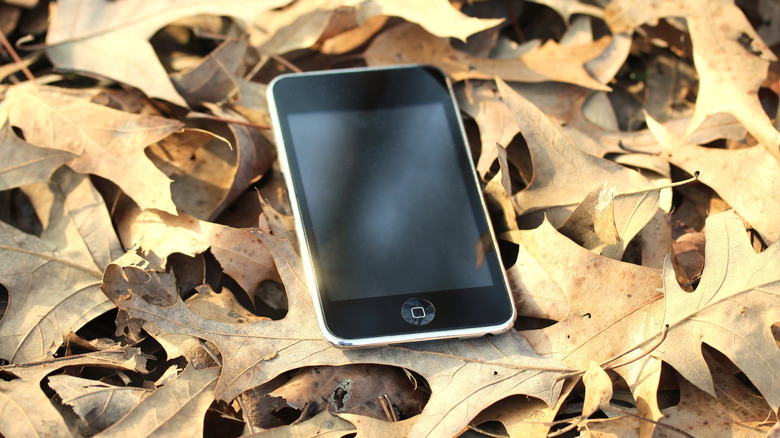
The non-touch iPod was first launched in 2001 as a portable media player, exclusively for music playback. With a unique scroll wheel, it was essentially a 21st-century version of the MP3 player. In September 2007, several months after the first iPhone launched, Apple took the same design and multi-touch technology from the iPhone and integrated it into a portable media player device, the iPod touch. While it did not have a cellular antenna, you could connect to Wi-Fi and, after the App Store launched in 2008, download apps. It also offered higher storage options than the original iPhone. You just couldn't make calls or connect to the internet outside of a Wi-Fi zone. Seven generations of iPod touch models were released before Apple discontinued the device in 2022, bringing the iPod lineup to an end after 20 years. You can still buy iPods used or refurbished.
Differences between iPhone and iPod touch
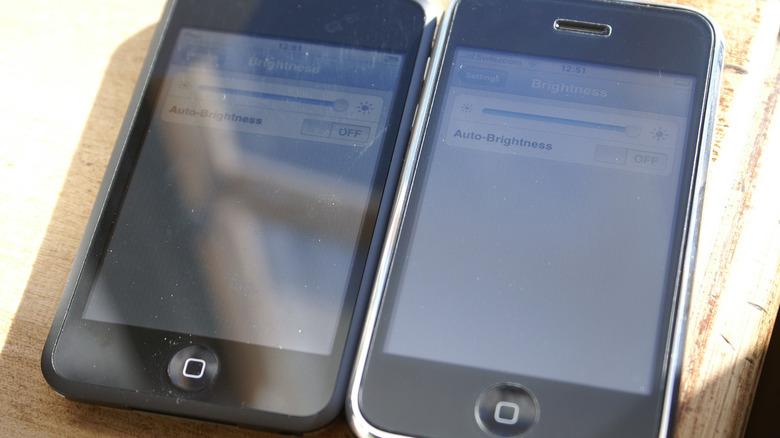
Since you could not make calls from an iPod touch and app use, surfing the web, and playing videos were limited to Wi-Fi, it felt a lot like an iPhone without cellular service. Interestingly, when the iPod touch was initially announced, some pundits suggested it was the better buy of the two. Before the iPhone 3G came out in 2008, the first-generation iPhone operated on the slow 2G network and thus was limited to certain countries and slower network access. Jobs said 3G chips were too "power hungry" for the iPhone, which caused some, apart from excited early adopters, to feel that it wasn't worth it for the purported cellular advantages.
The iPhone also required a two-year contract. Early reviewers did not like that you only had one carrier from which to choose. For those who were still feeling out Apple's first phone, that was too big a commitment. By contrast, the iPod touch was a step up from non-touch-enabled iPods, letting customers get familiar with the multi-touch interface before diving into a full-fledged iPhone and service contract. The two devices were so similar that the iPhone only added cellular connectivity and a service plan, along with less storage in some configurations. Today, the latest iPhones, like the iPhone 17, are incredibly feature-rich, while the iPod touch no longer exists. But if you use an old iPhone today without an active SIM card and contract, it's basically an enhanced version of what the iPod touch used to be.