

SpaceX's Falcon 9 Rocket Just Had Its Invisible Pollution Studied For The First Time Ever

In February of 2025, SpaceX's Falcon 9 rocket caused a bit of a public stir when its engine failed, causing an uncontrolled re-entry back to Earth. It was supposed to land in the Pacific Ocean, but instead, parts of Europe were pelted with rocket debris. There was even large debris landing within town limits in Poland, putting people at risk. While SpaceX may be fast becoming the most valuable private company in the world, this certainly caused a controversy and allowed a unique study to be done of the atmospheric pollution the Falcon 9 rocket caused.
As the rocket broke apart in the atmosphere, it released a plume of lithium vapor that drifted more than 1,000 miles across the European continent. Scientists used the event as a unique opportunity to study how re-entering spacecraft can introduce pollutants into the upper atmosphere and potentially alter its chemical composition.
Researchers detected lithium levels about 10 times higher than normal in the upper atmosphere for about 20 hours after the Falcon 9 rocket re-entered over Europe. By modeling atmospheric winds, they were able to trace the lithium plume back to the rocket's flight path, providing what they say is the first direct evidence of upper-atmosphere pollution caused by re-entering space debris. The study was published in Nature in 2026.
Details of this rocket pollution study

The team of researchers focused on lithium because it acts like a fingerprint for space debris. While many metals found in rockets can also come from natural sources such as meteors, lithium is extremely rare in Earth's atmosphere and is typically only found in modern spacecraft.
To investigate the Falcon 9 re-entry, researchers combined data from different scientific instruments and computer models. Their most important observation came from a lidar system in Germany, which uses lasers to detect tiny amounts of lithium high in the atmosphere. During the night that the rocket re-entered, the lidar recorded the massive spike in lithium levels. The research team then analyzed the data to ensure any potential natural causes of lithium were excluded, so that only the amount caused by the Falcon 9 rocket was measured.
When it was clear that the rocket had boosted atmospheric lithium levels 10 times as much as normal for nearly a full day, the scientific team sent their findings to SpaceX for comments or explanations. However, no reply was received prior to the study's publication. Elon Musk has big plans for SpaceX, including colonizing the moon. For now, though, this study may bring up some questions that SpaceX will need to consider.
What environmental impact could this have?
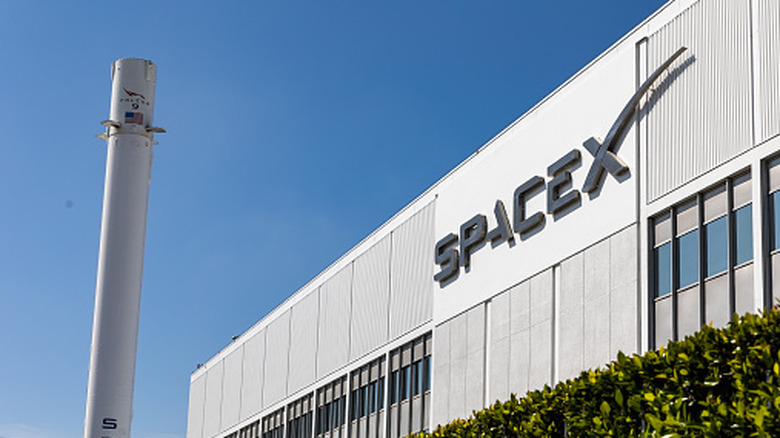
One major point the study considered was how this could impact the environment, especially given that this modern age of commercial space activity has seen SpaceX and other agencies launch rockets so frequently. So much so that SpaceX rocket explosions are causing major safety issues for airlines due to their debris paths.
While this study focused on a single Falcon 9 rocket re-entry, the researchers warn that the growing number of spacecraft returning to Earth could lead to a steady buildup of metals and metal oxides – compounds formed when metals react with oxygen – in the atmosphere. Over time, these materials could potentially affect ozone chemistry and influence Earth's climate by changing how the atmosphere absorbs and reflects energy.
However, given that this study is the first of its kind, all this information is new. The study points out that much more research will need to be done to see if this magnitude of a lithium spike is consistent for all rocket re-entries and to analyze how this lithium realistically moves throughout the atmosphere. The scientists urge for rocket launches to be monitored closely in the future to better understand what short and long-term impact they could be having on the planet.