

Scientists Just Discovered A Way To Reverse Aging Using Electricity
There have been a number of strong claims in the field of anti-aging recently, from supplements said to extend human life to a drug that extends the lifespan of mice by up to 30%. Now, a new study published in the Proceedings of the National Academy of Sciences suggests that electrical pulses may be used to reverse some signs of aging, at least in sea squirts, a marine animal scientists use in trials because of their genetic similarity to humans. Research determined that exposing the squirts to short bursts of electricity could dramatically improve stem cell function, tissue regeneration, and lifespan.
This does not mean that the findings are automatically applicable to humans. What it does mean is that electricity may theoretically be deployed as a way to reverse damage in declining biological systems. In the study, researchers observed what they describe as an acute "reboot and rebound" response, where proteins and structures that let a muscle cell contract are less active at first, but then metabolic activity surges back to higher levels, a phenomenon that mimics the body's reaction to intense exercise.
Sea squirts were chosen because they replace crucial tissue weekly, likely through a stem-cell mediated process of creating organs from scratch, and because they share around 70% of their genetic material with people. The question now is whether the same mechanism may be effective in human biology.
How the anti-aging treatment worked
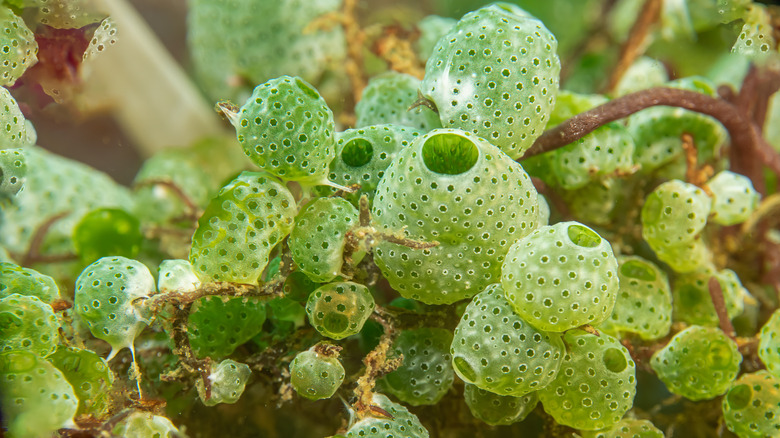
Sea squirts (also called tunicates or ascidians) are sac-like marine animals that often cluster together in colonies attached to rocks or the seafloor, but they all possess their own nervous systems and hearts. Researchers used a pacemaker-like device to deliver brief pulses of electricity to sea squirt colonies and discovered that they not only became visibly healthier, larger, and lighter in pigmentation, but also demonstrated stronger signs of fertility and growth. Three rounds of five-minute pulses were shown to contribute benefits that lasted for months.
When the researchers looked at which genes in the sea squirts were turned on or off after the electrical treatment, they found that many key biological processes changed. The treatment affected how cells make and use energy, how they grow and divide, how stem cells work to repair the body, how the cells fix damaged DNA, and how the immune system responds. The pattern of genes that the electrical pulses turned on looked very similar to the gene pattern that happens in animals after they exercise. In other mammals, exercise triggers a specific type of immune cell called a macrophage to change how its genes work, and the sea squirts' reaction to the electrical pulses was almost the same.
What comes next for anti-aging research

While the idea of reversing aging is attention grabbing (like these 10 things that may be able to turn back the clock), what researchers have actually done is reversed some aging-related damage in a simple organism. That's very impressive because of how vital stem cells are to tissue maintenance, regeneration, and repair. A better understanding of how to "recharge" them may eventually inform treatments for age-related decline, as well as infertility and degenerative diseases.
In a Stanford press release, researchers were sanguine about the possibility of moving on to human applications, particularly because electricity is often used in a medical context, like in devices that regulate heart rhythm. The next challenge is figuring out whether the same rejuvenation pathways can be safely targeted in specific human cell populations, such as blood stem cells, the authors said. While not a fountain of youth, the findings represent an important contribution to a growing corpus of research that treats aging less as an inevitability and more as something that can be nudged, repaired, or even partially reversed.