

You Can Make Your Old Analog Camera Digital - Here's How
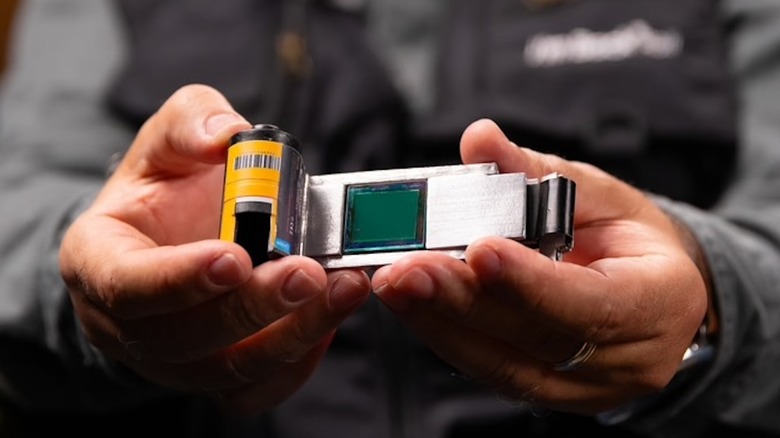
There are many clever uses for that old film camera collecting dust in your closet, and one such use is bringing it into the 21st century by turning it into a digital camera. A Swiss-based team of camera-loving engineers and creatives, called I'm Back, has come up with an ingenious device that lets you shoot digital images on an old analog camera.
Interest in the gadget — officially referred to as the I'm Back Roll APS-C — is reflected in the huge success of the company's Kickstarter campaign, which recently blasted through the million-dollar mark thanks to backing from more than 1,800 people. The device could appeal to fans of retro 35mm SLR and rangefinder cameras who've fallen out of love with film but enjoy the tactile physical controls of the older devices. It's also a good chance to breathe new life into any vintage lenses that have been sitting around for years.
I'm Back's device uses a regular-looking film canister that's linked to an APS‑C sensor and other smarts. The module slots into your camera in the same way you'd drop a regular film canister in, and each time you hit the shutter, the device records a digital image. According to its project page, I'm Back aims to begin shipping the device in August 2027.
I'm Back Roll APS-C
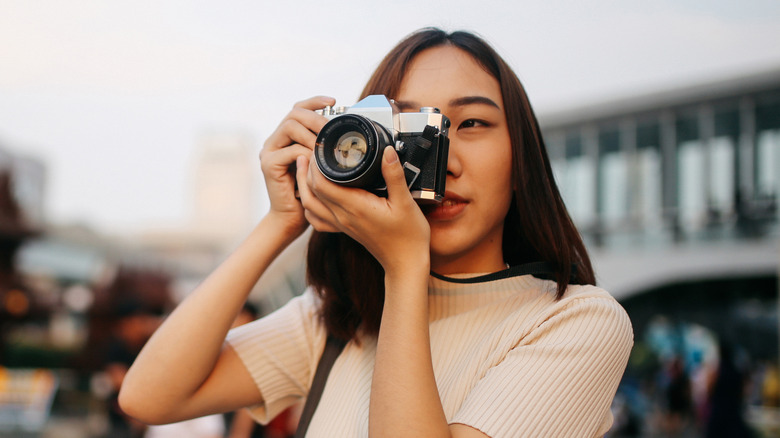
The I'm Back Roll APS-C packs a lot of tech into a pretty small gadget. The canister looks like your average roll of film, but it houses a lithium-ion battery to power the diminutive device. Attached to the canister is a flat aluminum chassis containing the electronics, chief among them the 26.1-megapixel Sony-made APS-C sensor. At the opposite end to the canister there's a multi-layer flexible ribbon cable that enables high-speed data transmission between the sensor and the secondary printed circuit boards. The setup includes SSD storage of up to 256GB.
Installing the I'm Back Roll APS-C seems pretty straightforward — just open the back of the camera and remove the film pressure plate on the inside of the door. According to I'm Back, some camera models may need a custom or 3D-printed back for a proper fit. Shooting involves adjusting the dials to suit your needs and then pressing a button to activate the sensor before pressing the shutter release button. There's even an optional touchscreen display for the back of the camera. To transfer the images, connect the camera to your PC, laptop, or mobile device via the module's USB-C port or Wi-Fi.
DIY digital transformation
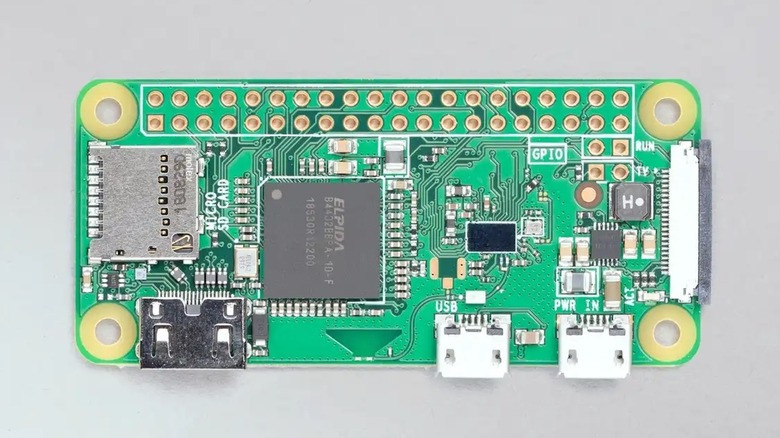
Looking for more of a DIY solution to perform the same digital transformation? Then check out the popular Raspberry Pi, which offers an array of creative opportunities including bringing digital smarts to an old film camera. Detailed instructions can be found online, but in addition to a donor camera, you'll need a Raspberry Pi Zero W Module, a Raspberry Pi Camera Module (that includes the all-important sensor, a small battery, a film‑canister housing to fit inside the camera's film chamber), and a MicroSD card with Raspberry Pi installed.
In simple terms, the process involves removing the film‑pressure plate to free up some space inside the camera body, and the camera sensor goes where the film would ordinarily sit behind the lens. As you'd expect, the Raspberry Pi computer does the majority of the work, processing your images via the sensor. The images are saved to the microSD card and can then be transferred via Wi‑Fi to a viewing device.
Repurposing an old SLR or rangefinder camera to take digital photos may feel like a step too far for some film purists, while some younger folks are actually making film cameras popular again by using them as they are. For others, though, it could be a fun way to revive a long-forgotten camera and its lenses.