

Linux Vs. Windows: Which Is Better For Your PC?
The Windows vs Linux argument can be easily boiled down quite quickly. If you're after a secure, semi-stable system that doesn't require you to be a power user, stick with Windows. Just make sure you get the right version of Windows 11, Home or Pro. For those fed up of the subscriptions or artificial intelligence direction of Microsoft, or need a free alternative to Windows for older PCs unable to install Windows 11, Linux is probably your best bet.
Despite the summary above, the conversation of which operating system (OS) is better for your computer, Windows or Linux, isn't simple. In recent months, Windows has become more unstable in subsequent updates, to the point where Microsoft now allows users to stop updates from coming through. This, along with the company's push into artificial intelligence, has caused an estimated half a million users to switch from Windows. Linux comes with the need to at least have basic computer literacy — something that's been on a downward swing for quite some time.
Microsoft Windows has been around since 1985, starting out as a graphical user interface for MS-DOS systems. Before Windows 95 overhauled how an OS functioned, Windows really was just a glorified layer atop an existing OS. During this time, a Finnish man named Linus Torvalds was disappointed with the limitations of the educational OS, Minix. Eventually, once he began programming ways for it to interface with UNIX and POSIX systems, he created Linux. The new open-source operating system has taken on a life of its own, with thousands of contributors every year for the last 35 years.
Windows is still best for most people
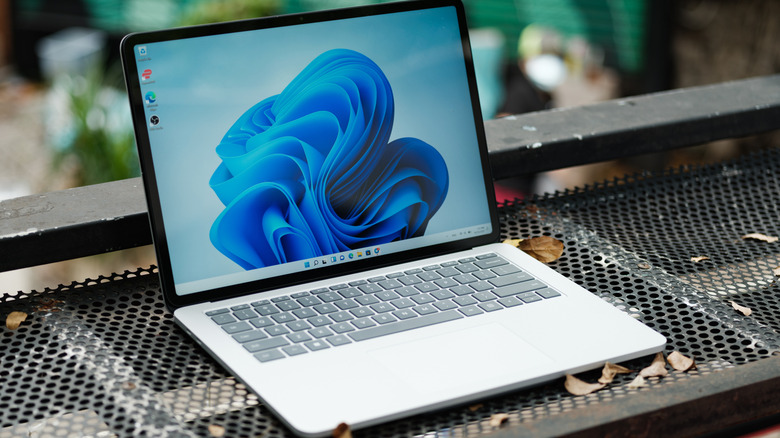
Despite the massive issues it's been facing, Windows is still the best for the vast majority of people. Its software and hardware support is unparalleled, even against macOS and the rising tide of adaptations over on Linux. If you're working, editing, or gaming on a Windows PC, it's more than likely that the only real thing preventing these tasks from getting done is hardware.
The biggest benefit is that it's actually quite hard to completely break Windows. Microsoft might be getting good at it with some rogue updates, but as long as you're not downloading and running malicious software, it's pretty resilient. The built-in anti-virus, Windows Defender, will also keep even the daftest of users relatively safe. There's a reason that, regardless of everything, it's still the dominant operating system in the world.
At its core, though, it's the compatibility that can put Windows over the edge for many people. It's taken months, for instance, for Linux computers with NVIDIA hardware to reach a completely stable state. In some versions of Linux, updates might not arrive for months due to development timelines and the need to ensure the system remains stable. But you can almost guarantee that Microsoft will be on top of whatever issue is impacting Windows — even if the updates haven't been the most reliable since Satya Nadella claimed 30% of Microsoft code was being written with AI.
Linux isn't as complicated as you think
Meanwhile, Linux is seeing an increase in users as Microsoft continues to bungle Windows. No subscriptions or advertisements are baked into the system. The fear of using the terminal is no longer a factor, as most Linux distributions (distros) have come far enough to smooth out those elements. A major factor is that popular desktop environments (DEs), like KDE or GNOME, are designed with the idea of wrangling the OS into something anyone can use.
Yes, the terminal might still need to be accessed, but there are now plenty of distros that cater to newer users or those looking for a semi-Windows experience. CachyOS and Bazzite have become massively popular, both built atop two Linux distributions (Arch and Fedora, respectively) and focused on the gaming community. Others, like Mint, offer a great starting base, with a familiar ground using the Cinnamon DE. Of course, for those who are already PC familiar and want something a little more complex, distros like Gentoo exist, and DEs like Hyprland leave all familiar territory behind, opting for a tiling system.
Linux can be difficult to get to grips with in certain aspects, especially with application support. Windows translation layers like Wine and Proton have come on leaps and bounds, with a sizeable number of applications now able to run as if they were on Windows, but on Linux. However, there are still compromises to be made; some essential Windows apps still aren't fully functional on Linux, outside of a few edge cases that are being actively worked on.