

5 Best Sci-Fi Movie Cliffhangers That Still Have Us Hooked

There's something thrilling about movies that don't tie up every thread of the story. The audience is left in suspense and filled with uncertainty long after the credits roll. That said, cliffhangers are not just a narrative trick. They tap into a deep psychological response, exploiting your brain's craving for closure and resolution. And the filmmakers know exactly how to use this fact to create a strong bond between viewers and their movies. In science fiction films, ambiguous endings serve both filmmakers and audiences as a creative playground. These films often explore big themes such as reality vs. illusion, humanity vs. otherness, and freedom vs. determinism.
The lack of a conclusion to these stories lets audiences ponder deep themes beyond the screen, making us debate and imagine what might have happened. That way, the storytelling is turned into a shared experience. In fact, some of the greatest sci-fi moments often come after the last scene fades. So let's go through some of the greatest cliffhangers in the sci-fi universe and wonder about the fate of replicants and the survival of an alien-changed man.
Inception
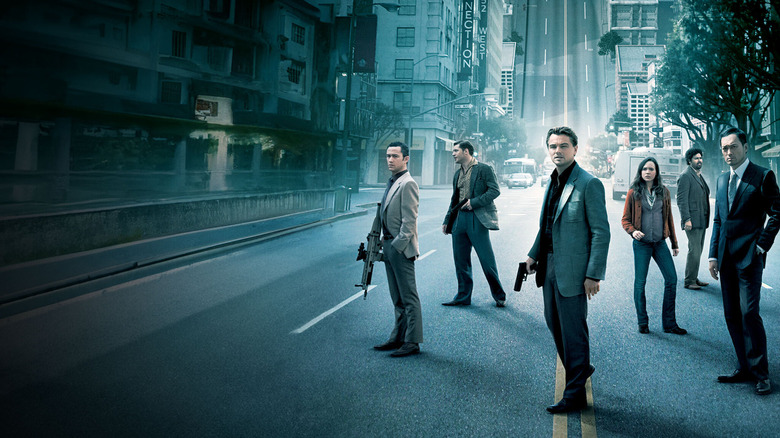
One of the best Christopher Nolan movies, "Inception", closes on what's arguably one of the greatest sci-fi cliffhangers of the 21st century. It refuses to give the audience the neat payoff most blockbuster movies deliver. Instead of a satisfying ending that wraps up the story, the viewers get a question mark that still echoes in pop culture today. At the end, Cobb finally reaches his children after a dream heist that stretches time and reality to their limits. He spins his totem, a top meant to distinguish dream from waking life, but before we see whether it wobbles and falls, Nolan cuts to black.
This ending shows Nolan is capable of cleverly aligning such small moments with "Inception"'s core ideas. The entire movie hinges on how we define reality. By leaving the top fate unresolved and open to interpretation, Nolan leaves it to the audience to decide Cobb's fate. This movie makes the viewers question, hope, and doubt long after the credits roll. In interviews, Nolan said it wasn't his intention to end on such an ambiguous note, but to challenge viewers and remind them that the emotional truth of the whole story lies in Cobb's choice to walk away. He chose to embrace his children rather than verify his reality.
The fact that this ending is debated even after more than a decade has passed testifies to its clever design. "Inception"'s cliffhanger doesn't just tease what comes next. It reframes how we think about endings and what really matters in life or a dream.
The Thing
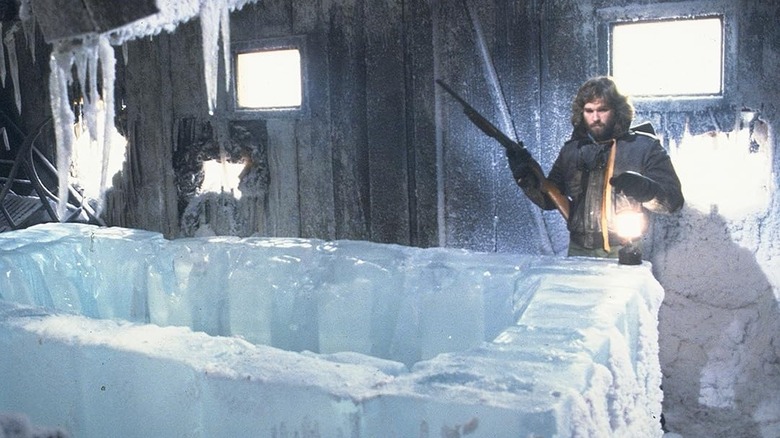
"The Thing" is an essential cult classic sci-fi movie and yet another John Carpenter masterpiece. It also delivers one of the most enduring and unsettling cliffhangers in the sci-fi horror genre by simply refusing to answer the central question that stretches throughout the movie: Who is The Thing? In the film's final moments, we get to see MacReady and Childs, the last two survivors of an Arctic research station, sit among ruins and fire, sharing a bottle of whiskey. But there's no answer to who, if either, is still truly human. The scene cuts to black before we learn their fates, leaving the audience in doubt. And this doubt perfectly mirrors the paranoia, the feeling that accompanies this movie for its entirety.
Rather than giving the movie closure, Carpenter turns the audience into participants in the mystery. The debates about who might be infected, or whether it even matters, have persisted for over forty years now. Carpenter admitted he considered a clear resolution for the movie's ending, but ultimately chose to deny the audience that comfort. He believed that a definitive answer would undercut the film's core theme of suspicion as a permanent condition. The debate over McReady and Child's fates isn't just fan trivia. It became a continuation of the film's experiment when it comes to the distrust that fuels analysis, commentary, and theory.
Planet of the Apes (1968)
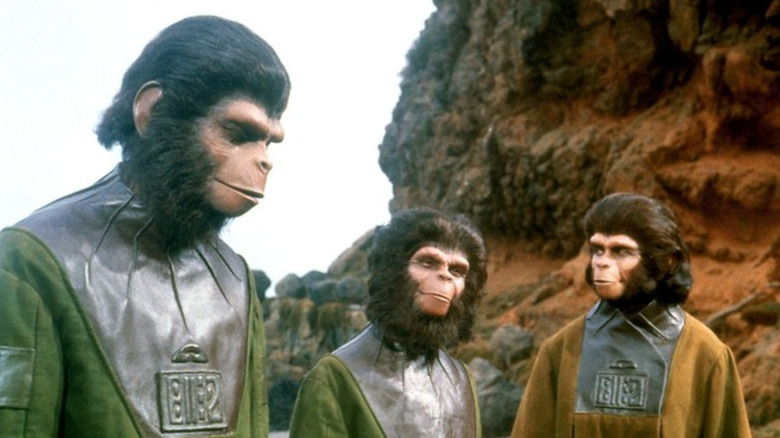
The ending of the original "The Planet of the Apes" movie reshaped sci-fi storytelling by shifting it towards darker and more thought-provoking narratives. For the entire movie, the audience is led to believe that Charlton Heston's Taylor crashed on a distant world, dominated by intelligent apes. But that's all blown apart when Taylor stumbles upon the half-buried Statue of Liberty. He suddenly realizes that the "alien planet" is actually Earth in a distant future.
This ending was one of the most influential twists in cinema. It's a narrative gut-punch that reframes everything the viewer just saw. Instead of offering a comforting return home or a triumphant escape, the movie leaves the hero and the audience questioning what happened to human civilization. How did people manage to destroy their own world, and is there a future to look forward to?
Part of why this cliffhanger endures the challenges of time is its iconic imagery. The ruined monument isn't just shocking, it's symbolic. It's a reminder of lost civilization and lost freedom humanity once enjoyed on a planet they thought was their own. The choice to leave the final revelation unresolved and bleak, without spoon-feeding the audience with answers, remains impactful even decades later.
Blade Runner (1982)
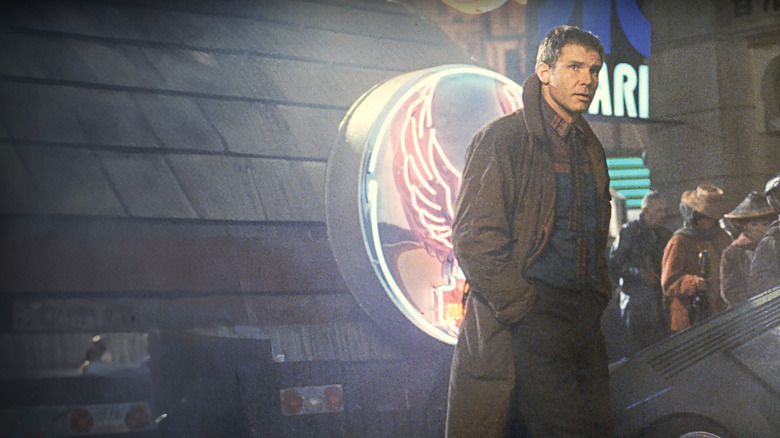
Ridley Scott's "Blade Runner" doesn't simply end. It tends to linger in the viewer's imagination due to one of the most compelling and unresolved questions in science fiction. Is Rick Deckard a replicant? In the movie's final scene, Deckard escapes with Rachel, a replicant who just discovered her artificial nature. But a small origami unicorn left by fellow blade runner Gaff calls everything into question. It's a subtle hint that Gaff may know Deckard's memories. If he did, it would be evidence that Deckar's memories are implanted, just like Rachel's.
The genius of "Blade Runner" is that the movie itself doesn't deny or confirm the theory. Later cuts contain evidence that leans toward Deckard being a replicant, but that never stopped the audience from questioning. Director Ridley Scott even publicly admitted he believes Deckard is a replicant, but others, including star Harrison Ford, have said they want to believe he could still be human. The debate remains unresolved, and it continues to fuel countless discussions about identity, consciousness, and what it really means to be human in a world where machines can love, fear, and remember.
"Blade Runner" leaves its audience with this uncertainty. The viewers must ponder Deckard's fate, question the nature of memory, and wonder how blurred the lines between human and artificial really are. Deckard's nature as a replicant is such a mystery that we don't even get an answer in the sequel, "Blade Runner 2049".
District 9
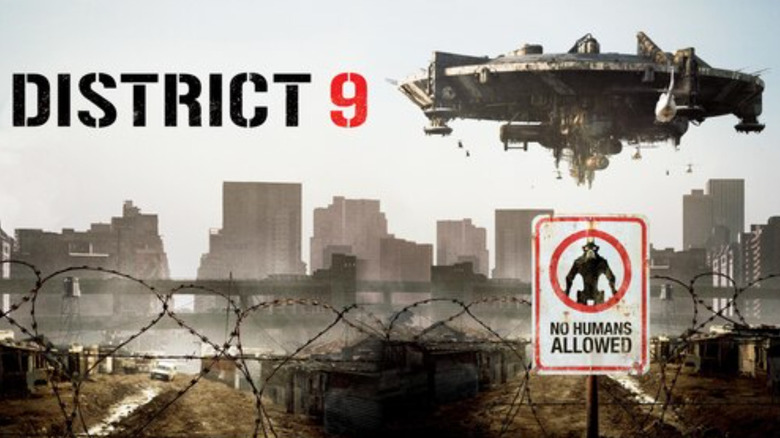
"District 9" is one of the best alien invasion movies of all time, and its ending splinters into a thousand possibilities. It leaves the audience grappling with transformation, hope, and an uncertain future. The climax sees Christopher Johnson and his son finally launch towards their home world, promising to return in three years with a cure for Wikus's alien transformation. But that promise is never resolved on screen. Meanwhile, Wikus, now fully transformed into one of the "Prawns" he once persecuted, sits in a junkyard crafting metal flowers, a haunting blend of humanity and otherness.
What makes this finale stick isn't just the emotional weight of Wikus's arc. It's the sheer number of unanswered questions that remain as we await the announced sequel, "District 10". Will we see Christopher return? Does his homeworld hold unknown motives? Will Wilkus manage to regain his human self, and will humans and Prawns learn to coexist after all the abuses and exploitations exposed through the movie? These are all the questions we hope we'll get an answer to.
"District 9"'s ending also resists an easy moral closure. Wikus's transformation suggests empathy can stem from radical change. But the movie doesn't give us closure for this theme with a neat moral lesson. This means "District 9" isn't just a story about alien invasions, but a narrative that asks us to ponder prejudice, identity, and what happens when you become the "other."