

iPhone 5S Gets Unexpected iOS Update With 3 New Features (13 Years Later)
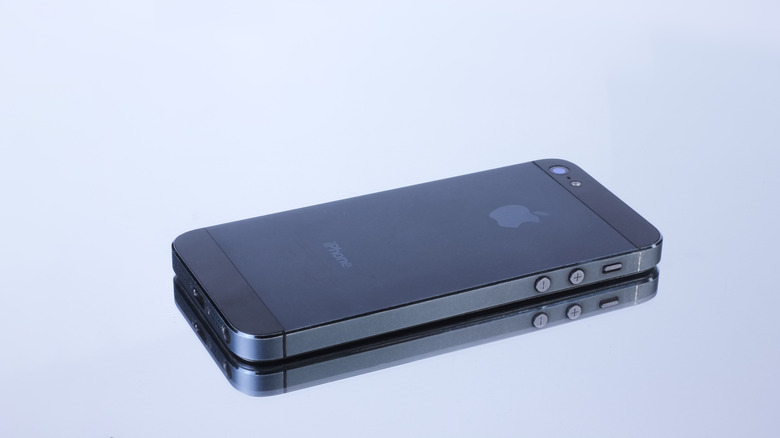
With the announcement of the second-generation AirTag, Apple released iOS 26.2.1 to add compatibility to this new item tracker. However, that wasn't the only software update for iPhone devices released this week. The iPhone 5S, unveiled almost 13 years ago, and the iPhone 6 (released 12 years ago) also received new software updates with iOS 12.5.8.
With this update, Apple ensures that iMessage, FaceTime, and device activation on the iPhone 5S and iPhone 6 continue to work for years to come, as iOS 12.5.8 extends the certificate required for all three features. Without the extension, they would have stopped working, but now they will keep working well after January 2027.
Even if requirements for developers, and even Apple itself, have made these iPhones practically unusable after so many years, the company still offers basic services, including iMessage, FaceTime, and, ultimately, the ability for them to be activated and synced with an Apple Account. This shows that while some companies can launch and completely brick a product in over a year, such as Humane's AI Pin, Apple continues to support its iPhones for way longer than other manufacturers.
Apple promises five years of security updates, but it goes further than that
While Apple (link will download a PDF to your device) isn't as explicit as other tech companies about how long it will support an iPhone's lifespan, it told U.K. authorities in 2024 that it would offer security updates to its devices for a "minimum five years from the first supply date." However, even devices that eventually become obsolete continue to receive important security updates.
For example, in March 2024, Apple released a security update to iPhone 6S models, which was released nine years before that. The iPhone 5S also received other security updates since it got discontinued, as Apple issued a patch in November 2020. Even though software updates for older hardware get harder to release due to an inferior user base and ultimately iPhone users upgrading to newer models, it's interesting to see that Apple continues to offer at least some basic capacities to the legacy gadgets so many years after their release.
Even though my daily driver is the iPhone 17 Pro Max, I still have an iPhone 11 Pro Max, which came out almost six years ago, that still receives major software updates. While it lacks 5G capabilities and it's far from receiving Apple Intelligence features, I can still use most apps with it, enjoy a Liquid Glass design, and more.