

Why Costco Still Relies On IBM Computers From The '80s
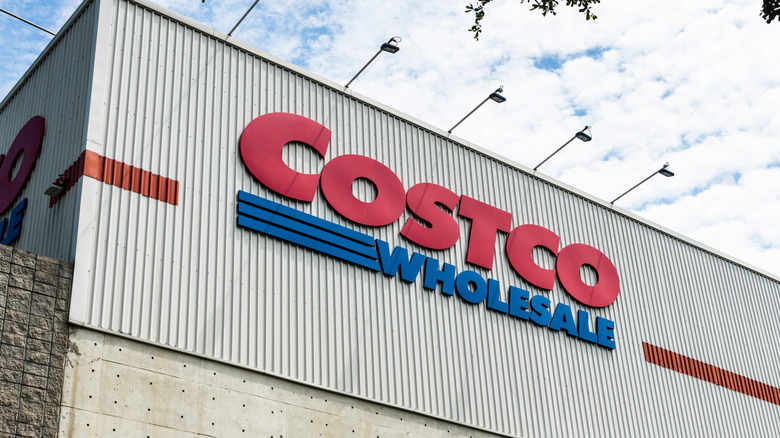
For most people, the IBM name is a fragment of the past, something that only comes up in old '80s sci-fi movies or in documentaries of ancient tech. The company's still up and running, and it does have an AI chatbot you can run in your browser. IBM computers are still in use today, though, with large, multinational corporations like Costco almost exclusively relying on them for a number of things. While this may seem like an odd choice at first, these PCs have supported Costco for decades. They're cheaper to maintain, more secure than modern alternatives, and have longer lifespans that justify the risk of using a system with the number of specialists decreasing each day.
This doesn't mean that Costco is actually using ancient, obsolete tech from the '80s, though. Just like Windows 10 is not the same as Windows 7 and how the newest iPhone can't be compared to first-generation Apple products, IBM hardware and software have gotten numerous updates since they first came out. The green text over a black background that immediately makes you think of an '80s terminal is a version of IBM's AS/400 line running over any normal monitor. To be specific, this terminal is an emulation of the IBM 5250 system terminal running on the IBM i operating system, which was formerly known as the OS400 that AS400 systems came with.
Costco uses this for the bulk of its processing, alongside the more recent IBM AIX. While these were separate at first, IBM merged the two — which were named System i and System p at the time — into a single platform called the IBM Power Systems in 2008. This can run System i, IBM AIX, and Linux all on the same platform, and is what Costco uses.
Security, speed, and reliability
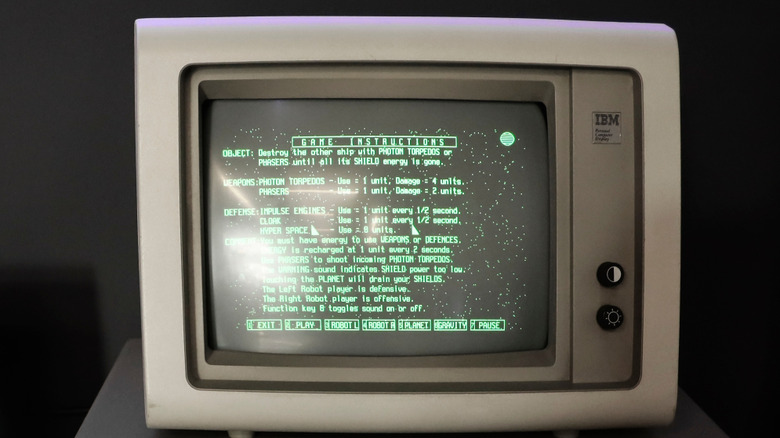
IBM computers haven't made any tides in the market since the 80's. This may seem like a drawback to many, but it's part of what makes these computers so safe; people looking to spread malice through viruses don't go out of their way to target antiquated tech. These systems are so old and reliable that any viruses made to target modern PCs simply don't work on them. The files themselves can still be carriers of malware, though, so they're not foolproof. Another indirect benefit of this is that, as IBM computers aren't nearly as popular now, most experts in these are now of retiring age. This means that the number of people who would have the know-how to target these systems is significantly lower when compared to those specializing in modern technology.
The nature of IBM hardware also makes IBM computers a better fit for corporate work than others that target consumers. Back when they first came out in the late '80s, IBM computers were known to be 99.999% reliable in terms of uptime. This means that they're even more resilient to technical hiccups than expensive modern hardware and have longer lifespans with minimal IT support required. Plus, even if using an old terminal might look outdated, they're lightning-fast and perform much quicker operations than other external, web-based applications.
Additionally, the IBM computers used by Costco feature an integrated environment that combines the hardware with the software, letting each device function without relying on external programs. This makes them more self-sustained and harder to crack.
Upgrading is an unnecessary expense for Costco
It's been decades since Costco started using IBM computers, and they've never had a problem with them, so why switch? Costco is much more frugal in its expenses than others in the same space, such as Walmart. With only 10% of all revenue going into expenses, it's important that each purchase is justified.
These computers are reliable and fit Costco's needs well, providing fast communication between the database and the user, extreme reliability and uptime, and tons of security. There's just no need to opt for another solution if the one you have has never failed you, which is why switching away from these isn't on Costco's list of upcoming changes. These IBM computers are also backwards-compatible, and with IBM making regular updates to keep the systems on par with modern alternatives, Costco can upgrade to these without any additional costs when they do switch to newer IBM hardware or software.
This makes switching to a modern system an unnecessary expense, as it's a lot cheaper to maintain the already-running computers and servers that have continued to fulfill Costco's needs. Even if the switch was made, the expenses would continue piling up, as modern computers don't have the same reliability as IBM. For most people, it's not a big deal if your Windows PC starts randomly showing an issue, since you can just restart your PC or reinstall Windows. For an enterprise that deals with a bulk of purchases and needs fast, precise inventorying each day, though, this becomes a much bigger deal, and something that justifies using a more secure system over something easier and instinctual to most people.