

5 Cheap Android Phones That Punch Above Their Price Bracket
Shopping for great smartphone brands is simple if you're looking for flagship models, where options like the Samsung Galaxy Ultra and Google Pixel dominate. But things can be confusing for bargain hunters. OnePlus, Xiaomi, Oppo, Motorola, and Samsung offer endless options in the midrange and ultracheap segments, meaning you have to look through the latest launches and new specifications standards when choosing an Android smartphone.
On the bright side, cutthroat competition means you may get phones that deliver more value than their price reflects. In a nutshell, it's not about hunting down the lowest price tag, but finding a smartphone so good it could easily cost more than it does. And that's exactly what we'll help you spot. For this guide, we tested smartphones hands-on when possible, compared dozens of budget-friendly Android models, and narrowed down the top five devices that give even pricier models a run for their money.
We didn't pick old phones that are value-for-money because they're outdated. All our picks are either the latest launches or belong to their company's current smartphone cycle. We've covered various price points, from $600 all the way down to $170. While your choice depends on your preferences, you can pick any one of these and expect a sleek screen, solid performance, long battery life, and great cameras.
Google Pixel 9a
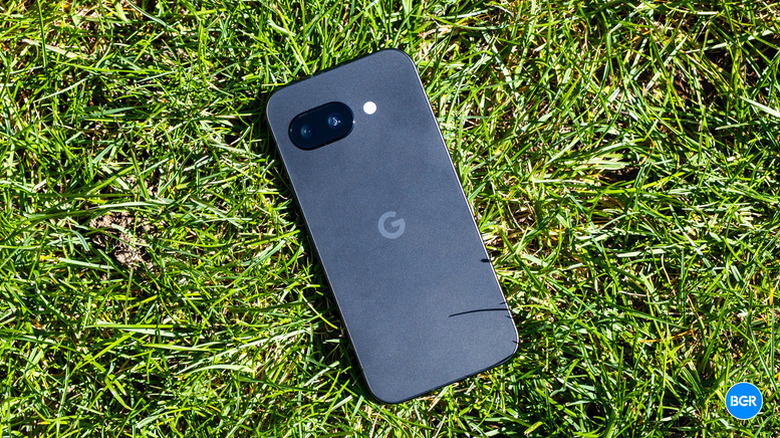
In our Google Pixel 9a review, we crowned this sub-$400 Android smartphone the midrange king for good reason. Google priced it similarly to the Pixel 8a, yet the 9a is better in almost every way. It adds a larger display, a 5,100 mAh battery, and a flat back with no camera bump, dropping Google's iconic camera bar.
Speaking of the camera, the rear setup in the Pixel 9a features a 48 MP main lens and a 13 MP ultrawide lens. Sure, the Pixel 8a comes with a 64 MP main camera, but the 9a features a wider f/1.7 aperture with improved low-light photography capabilities. The large 6.3-inch 1080p pOLED display with a refresh rate of up to 120 Hz offers a near-flagship-level experience, while the Google Tensor G4 chip provides solid responsiveness. Its gaming and general performance are better than Nothing Phone (3a) Pro's Qualcomm Snapdragon 7s Gen 3.
One of Pixel's highlights is its AI functionalities. The Pixel 9a gets almost all of its flagship brethren's AI features, including Add Me, Best Take, Magic Editor, and Google's unique AI call assistant features like Call Screen, which acts as your personal secretary to pick up and answer your calls. Probably the only downside to the Pixel 9a is the lack of a telephoto camera. This isn't a feature we expect from a $400 phone anyway, but the fact that the similarly priced Nothing Phone (3a) Pro comes with a telephoto camera might leave Pixel 9a users wanting more zoom capabilities.
Nothing Phone (3a) Pro
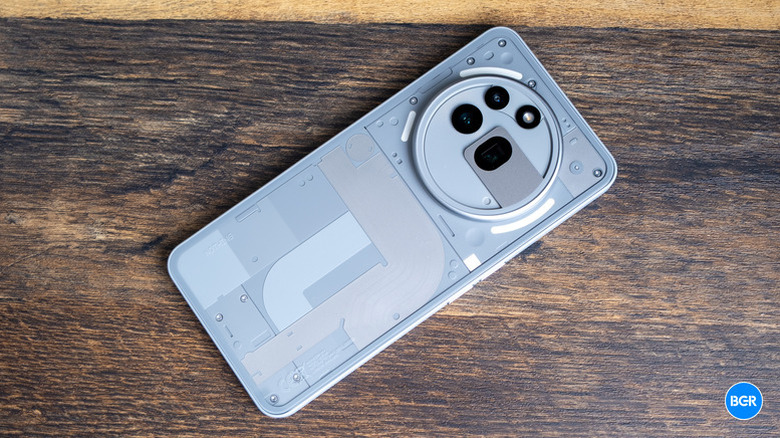
The Nothing Phone (3a) Pro is Pixel 9a's closest competitor, thanks to its good value-for-money proposition. It's a solid pick for those who prefer a unique design, as it rocks Nothing's trademark transparent back with LED-studded Glyph Interface and combines it with a new round rear camera bump. At $459, very few Android smartphones offer such a distinct design. NothingOS' clutter-free monochrome look adds to the device's premium feel.
The (3a) Pro is just as powerful as it is aesthetic. While it doesn't come close to more flagship smartphones, its Qualcomm Snapdragon 7s Gen 3 processor can handle everyday tasks with ease, including multiple open apps and online gaming. Its 50 W wired charging is a great feature, considering the phone's price, and it's more than double the Pixel 9a's 23 W charging. Plus, its 5,000 mAh battery can last a full day. However, unlike the Pixel 9a, the (3a) Pro doesn't offer wireless charging, which could be a deal breaker for some users.
As for the cameras, Nothing has added a third camera at the back alongside its usual 50 MP primary and 8 MP ultrawide cameras. This third telephoto lens, which gives you 3x optical zoom, is a rarity at this price range and makes the Nothing Phone (3a) Pro an interesting choice if you're looking for a versatile camera on a budget.
Moto G Stylus (2025)
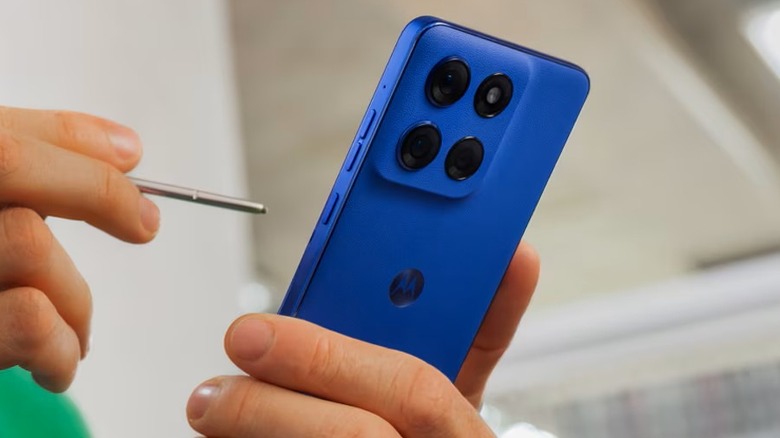
Moto G Stylus (2025) is a high-quality Android phone that offers good value for money. It costs under $350 and includes a Snapdragon 6 Gen 3 chipset, 8GB of RAM, a 6.7-inch 120 Hz AMOLED display, and cameras that outperform the Pixel 9a, its top rival. As a bonus, you won't have to deal with most bloatware, which is an underrated quality-of-life perk for phones in this price bracket.
The highlight here is the built-in stylus, uncommon among midrange smartphones. You can use it to take notes, sign digital documents, or entertain your artistic senses, especially when the internet is down. We'd certainly like to see Motorola provide more than just two years of system updates and make the phone more long-lasting, especially when the models above in this list offer five to seven years of updates. Old-school smartphone geeks will want future-proofing even more, given that the Moto G Stylus is one of the only phones that still offers a headphone jack and expandable storage via a microSD card slot, a smart addition since the base model offers 128GB internal storage.
On the back, you'll find vegan leather, which is grippy and lets you use the phone without a case. The dual camera system sits flush on one side with a light sensor that looks like a third camera. Since the cutout blends into the phone's side edges, it comes across a bit untidy. Overall, though, if you're a fan of the stylus and want fast charging with better-specced cameras, the Moto G Stylus is a better pick than the Pixel 9a.
OnePlus 13R
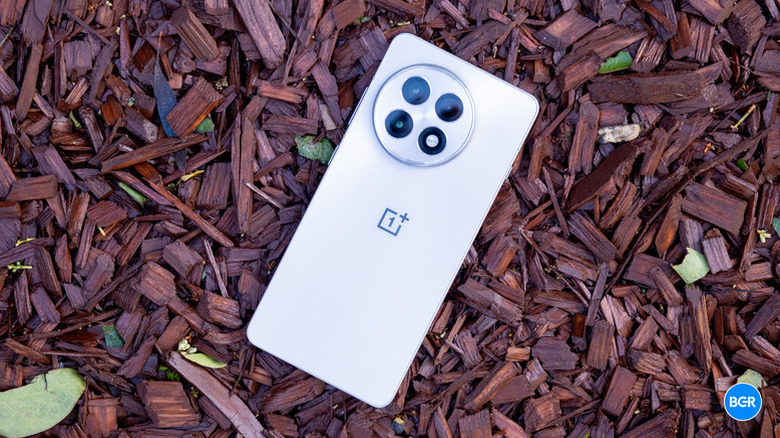
While not every OnePlus R is a top-notch flagship killer today, the year-old OnePlus 13R is. Don't be fooled into thinking that the newly launched 15R is better; it costs $100 more and doesn't come with a telephoto lens, so the 13R remains our No. 1 OnePlus budget pick.
The 13R has a sizeable 6,000 mAh battery. Depending on your usage, its battery can last for almost two full days without needing to recharge. Although it's a bummer it lacks wireless charging at this price, it makes up for that by offering the quickest wired charging on this list (80 W). Plug it in when it's 0%, and it should reach 100% charge in 36 minutes.
OnePlus ditched its curvy edges for a boxy look on the 13R, which might be a relief for those troubled with ghost touches. Combined with the aluminum frame, the flat edges give the OnePlus 13R a premium feel. The internals are premium too; it boasts the new generation of the Snapdragon 8 chipset included in last year's flagship OnePlus 12 model. While it's not as snappy as the Snapdragon 8 Elite found in the OnePlus 13, it's enough to handle multiple apps or run demanding games. Other great features include adaptive refresh rate (1 Hz to 120 Hz), four years of OS updates, and AI-powered features like Circle to Search and AI Reflection Eraser. The 13R also boasts better cameras than its predecessor, with a new 50 MP telephoto camera (2x optical zoom) replacing the 12R's 2 MP macro lens.
Samsung Galaxy A16 5G
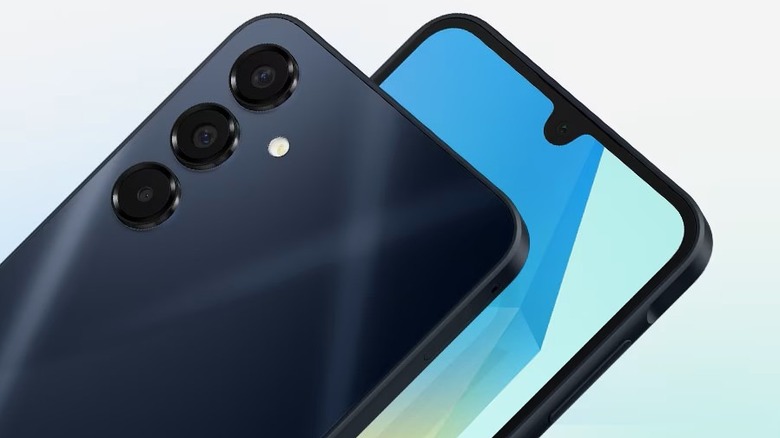
The Galaxy A16 5G is the best Samsung phone for those on a tight budget or looking to buy a well-rounded, affordable smartphone for the elderly or kids. At less than $200, it gets you Samsung's reliability, including the company's six years of OS and security updates. Even the more expensive Moto G Stylus and OnePlus 13R provide just two and four years of updates, respectively. According to Counterpoint, the Galaxy A16 5G was the best-selling Android smartphone in the third quarter of 2025.
The features don't look impressive alone, but taken together and considered alongside the price tag, they offer high value. Up to 8GB of RAM is decent for the price, and although the Exynos 1330 chip and its 90 Hz refresh rate don't sound exciting, the A16 5G is still powerful and smooth enough to handle everyday tasks. We also like that it comes with expandable storage of up to 1.5 terabytes via microSD, making up for the limitations of its 128GB base variant.
Alongside a big and bright 6.5-inch AMOLED screen, you get an industry-standard 5,000 mAh battery capable of lasting an entire day. And when you plug it in, 25-watt charging will fully load it in around 90 minutes. The Galaxy A16 5G includes a triple-camera system on the back, with a 50 MP main lens, a 5 MP camera for ultrawide shots, and a 2 MP macro camera for better close-up shots. If anything, we'd like to see less bloatware on these affordable Samsung phones.
How we picked these cheap Android phones

To find affordable Android phones that deliver excellent bang for your buck, we leaned first upon our firsthand experience with testing the most popular phones in the last 12 to 18 months. On top of that, we looked through several independent expert reviews and benchmark scores to not only correctly evaluate each phone's value, but also to compare each phone with its closest competitors.
A huge part of this comparison involved rivaling phones side by side not only with phones in their own price bracket, but also with models that tend to be slightly more expensive. And only if they were better or eerily close to their more expensive counterparts were they greenlit to be included in this list. Lastly, none of the phones on our list is a sponsored inclusion; they've been picked on merit alone.