

4K Blu-Ray Vs. 4K Streaming - Is The Difference Worth It?
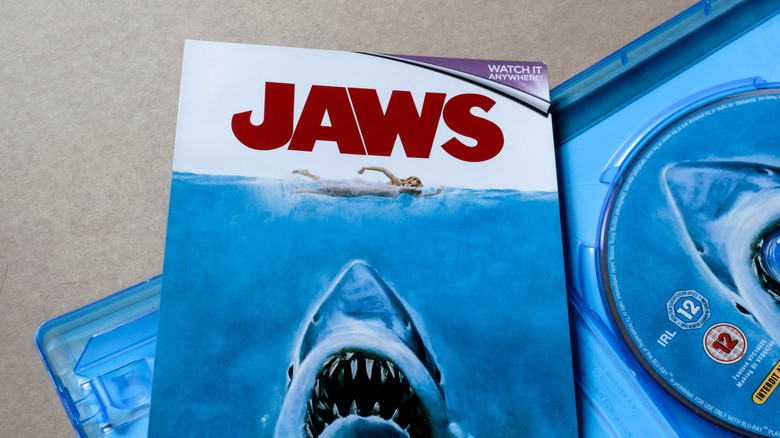
Many amazing productions are available in 4K on streaming platforms, and all it takes is a good internet connection to watch them. While that looks like "best possible quality" for a lot of viewers, better options exist offline, especially on Blu-Ray.
Even when a streaming app outputs 4K image quality on a TV or phone, it adapts the movie or show bitrate and encoding so it can play reliably on connections with different speeds. This process decreases video and audio quality to prioritize a watching experience with less buffering and fewer interruptions. If you dislike such a trade-off, 4K Blu-ray discs remain the best option for audiovisual fidelity.
The comparison between streaming and 4K Blu-ray also shows how each format caters to specific audiences. Streaming focuses on practicality and providing instant access to a massive amount of content, even if it means sacrificing some quality. Blu-ray prioritizes intact technical presentation, keeping the sound and image quality the studio planned from the start.
4K Blu-ray preserves more image detail than 4K streaming
One of the biggest differences between 4K Blu-ray and streaming is bitrates. In simple terms, bitrate is the amount of data transmitted over a specific time frame, usually every second. It directly affects the image quality you see on your screen. Services like Netflix and Prime Video adjust bitrates based on scene complexity, but they commonly sit between 15 Mbps and 25 Mbps when streaming 4K content.
Streaming also requires a stable connection and fast internet speeds to support these bitrates, which is why you might need to upgrade old 2.4 GHz routers, which may be too slow to support 4K streaming. If the connection fluctuates, the streaming service often drops image quality quickly to keep playback smooth. So even when you still see "4K" on the display, you can notice lower visual detail, especially in specific colors and textures, such as skin and fabric.
While both formats are in 4K resolution, streaming cannot match a Blu-ray disc's image quality because of these limitations. Within those constraints, streaming still looks good for a large part of the audience, especially on smaller screens, but it does not fully satisfy more demanding viewers.
Better audio quality gives Blu-ray the edge over streaming
Picture quality only tells part of the story, since audio also creates another major technical gap between 4K Blu-ray and 4K streaming. To deliver stable watching without interruptions, platforms like Netflix or Disney+ also compress their audio, which can reduce detail in the soundtrack, voices, and other sounds, so your device keeps receiving data consistently over the internet.
Blu-ray can deliver lossless audio, meaning it preserves the original information without quality loss. It does that through formats like Dolby TrueHD and DTS-HD Master Audio. This approach keeps the original studio mix intact and delivers a more detailed, powerful sound. That is why explosions are often more intense, and whispered dialogue can come through more clearly in theaters and on Blu-ray when compared to streaming, since compression struggles to replicate that level of detail.
However, Blu-ray's advantage still depends on having the right setup. Anyone who wants to hear those technical gains needs a disc player and usually a dedicated soundbar or sound system, since TV speakers do not capture the same level of detail. Considering the cost of all that equipment, let alone the Blu-Ray discs, the difference compared to 4K streaming is not worth it if you're a casual viewer. Streaming in 4K wins on convenience despite the lower fidelity, as it offers a satisfying experience for most people to enjoy with one click and works on almost any device.